
Amazon FBA vs Dropshipping: 7 Hidden Traps & The Ultimate Hybrid Strategy
A $5,000 budget can vanish in 30 days. Don’t let your e-commerce journey end before it begins. Understand the true mechanics of supply chain control and capital allocation.
The Strategic Divergence: Lean Testing vs. Asset-Heavy Scaling
Choosing between building a private label brand and operating a decentralized fulfillment model is not just a logistics decision; it is a capital allocation strategy. While entry-level guides often oversimplify this choice, the reality involves managing complex variables—from fluctuating Customer Acquisition Costs (CAC, the total marketing spend required to acquire one purchasing customer) to the rigid inventory health requirements of Amazon’s IPI scores.
To succeed in 2026, professional sellers no longer view these as binary choices. Instead, they navigate three distinct physical phases: Lean Product Testing, 3PL Quality Buffering, and Direct-to-FBA Scaling.
7 Hidden Traps That Decimate E-commerce Margins
[Dropshipping Trap] 1. The “Ghost Inventory” Nightmare
Public sourcing platforms utilize shared inventory pools. When your social media ads scale and you hit 200 orders a day, a shared supplier might run out of stock without notice. You are left with a scaled ad spend of $500/day and zero units to ship.
[Universal Threat] 2. The Return Rate Death Spiral
Generic dropshipping products often carry a 15-20% defect rate. In the Amazon ecosystem, a high defect rate doesn’t just cost money—it triggers a Listing Suspension that can freeze $50,000 in existing inventory.
[FBA Risk] 3. Amazon’s Aged Inventory Surcharges
Units sitting in a fulfillment center cross the 181-day mark trigger tiered surcharges. At 365 days, the LTSF hits $6.90 per cubic foot, consuming your entire Q4 profit margin.
[Dropshipping Trap] 4. Payment Gateway Rolling Reserves
Stripe and PayPal frequently flag high-growth dropshipping accounts, placing 20-30% of your revenue in a “Rolling Reserve” for 180 days, causing a fatal liquidity crisis.
[FBA Risk] 5. Intellectual Property (IP) Minefields
Scaling on Amazon without a registered Trademark is an open invitation for hijackers. To protect your revenue, Amazon Brand Registry is a mandatory legal requirement, creating a moat that unbranded dropshippers can never cross.
[Universal Threat] 6. The Ad-Pacing CAC Overflow
As you scale budgets, your CAC (Customer Acquisition Cost) jumps from $8.00 to $18.00. Without a high-margin product upgraded by a professional supplier, your profit margin vanishes instantly.
[Dropshipping Trap] 7. Peak Season Logistics Blackout
During Q4, standard lanes turn 7-day delivery into 25 days, triggering mass “Item Not Received” disputes. Only a 3PL buffer ensures delivery parity with Amazon Prime.
Hard Data: The Profit & Loss Reality Check
Let’s dismantle the illusion of “zero cost.” Let’s assume you deploy that initial $5,000 budget to generate your first $10,000 in gross revenue.
The Dropshipping Reality
- Product COGS (with Supplier Premium): $3,500
- Ad Spend (CAC): $4,500
- Gateway Fees (2.9% + $0.30): $320
- Refunds/Chargebacks (8%): $800
- Net Profit: $880
*High sourcing costs and ad dependency leave almost no room for error.
The FBA Scaling Reality (SpeedBee Model)
- Product COGS (Direct Factory Price): $2,000
- Amazon PPC Ads (12% TACoS): $1,200
- Amazon Referral Fee (15%): $1,500
- FBA Pick & Pack Fees: $1,800
- Inbound Freight & Prep: $1,000
- Net Profit: $2,500
- Hidden Asset Value (3x SDE): +$7,500/mo
*The $2,500 profit is just the tip of the iceberg; the brand equity growth is your true wealth builder.
Asset Valuation: Why Branding is the Ultimate Moat
A direct-to-consumer testing store is a cash-flow machine; an Amazon brand is a sellable asset. Aggregators today buy private label brands at 3x to 5x multiples of their annual Seller’s Discretionary Earnings (SDE, the true net cash flow generated by the business). A business netting $100,000/year could be liquidated for $350,000. Conversely, a decentralized store without exclusive supply chain control rarely finds a buyer because the risk of “supplier ghosting” is too high for institutional investors.
The Ultimate Hybrid Strategy: The SpeedBee 3PL Bridge
To survive and scale in 2026, you must execute a three-phase closed-loop strategy. SpeedBee’s 10,000 sqm facility in Guangzhou isn’t just a warehouse; it’s the physical infrastructure that makes this high-margin transition possible:
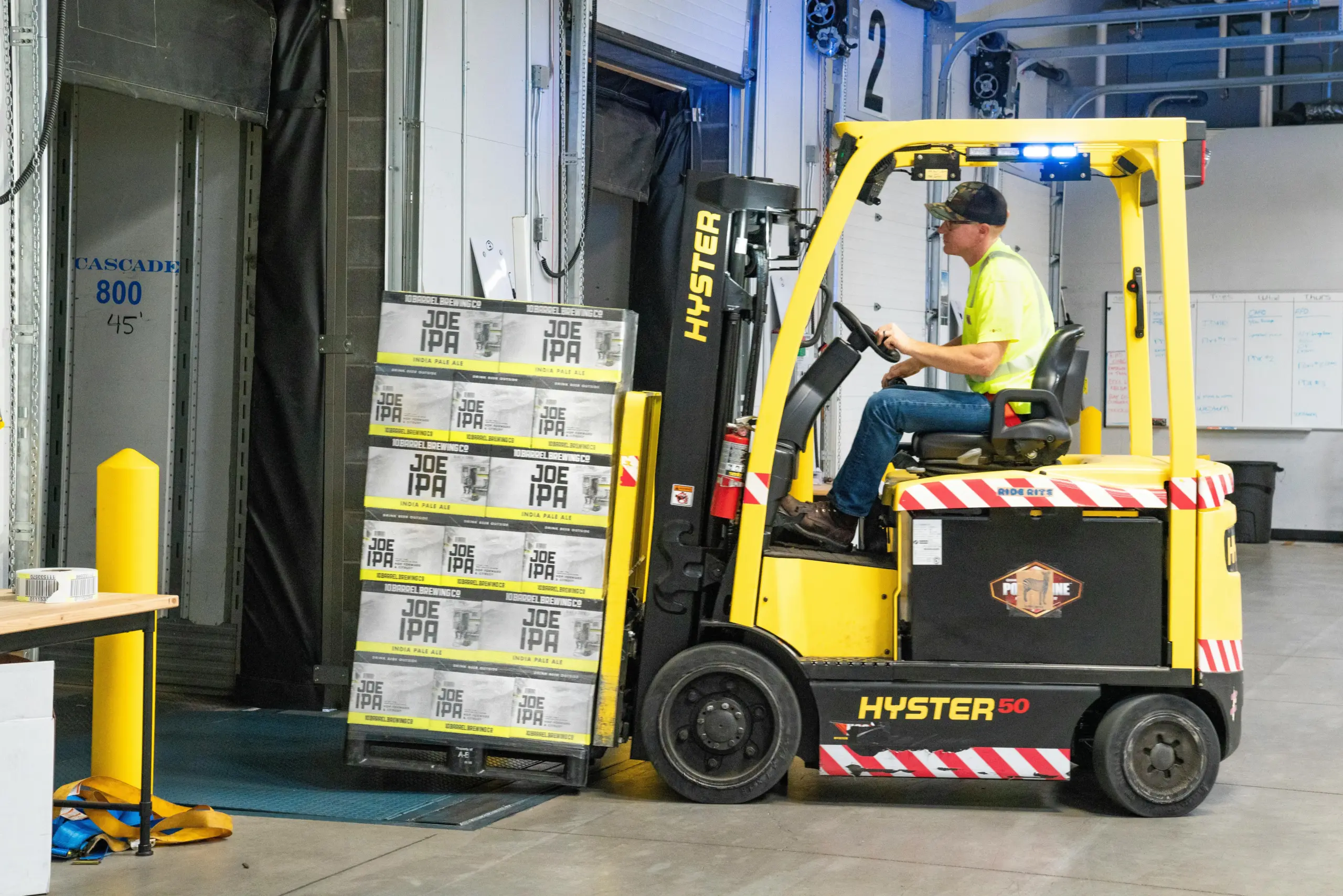
- Phase 1: Lean Testing (Dropship). Use SpeedBee’s direct-fulfillment integration to test products globally with zero inventory risk. Find your winning SKU using traffic arbitrage without buying in bulk.
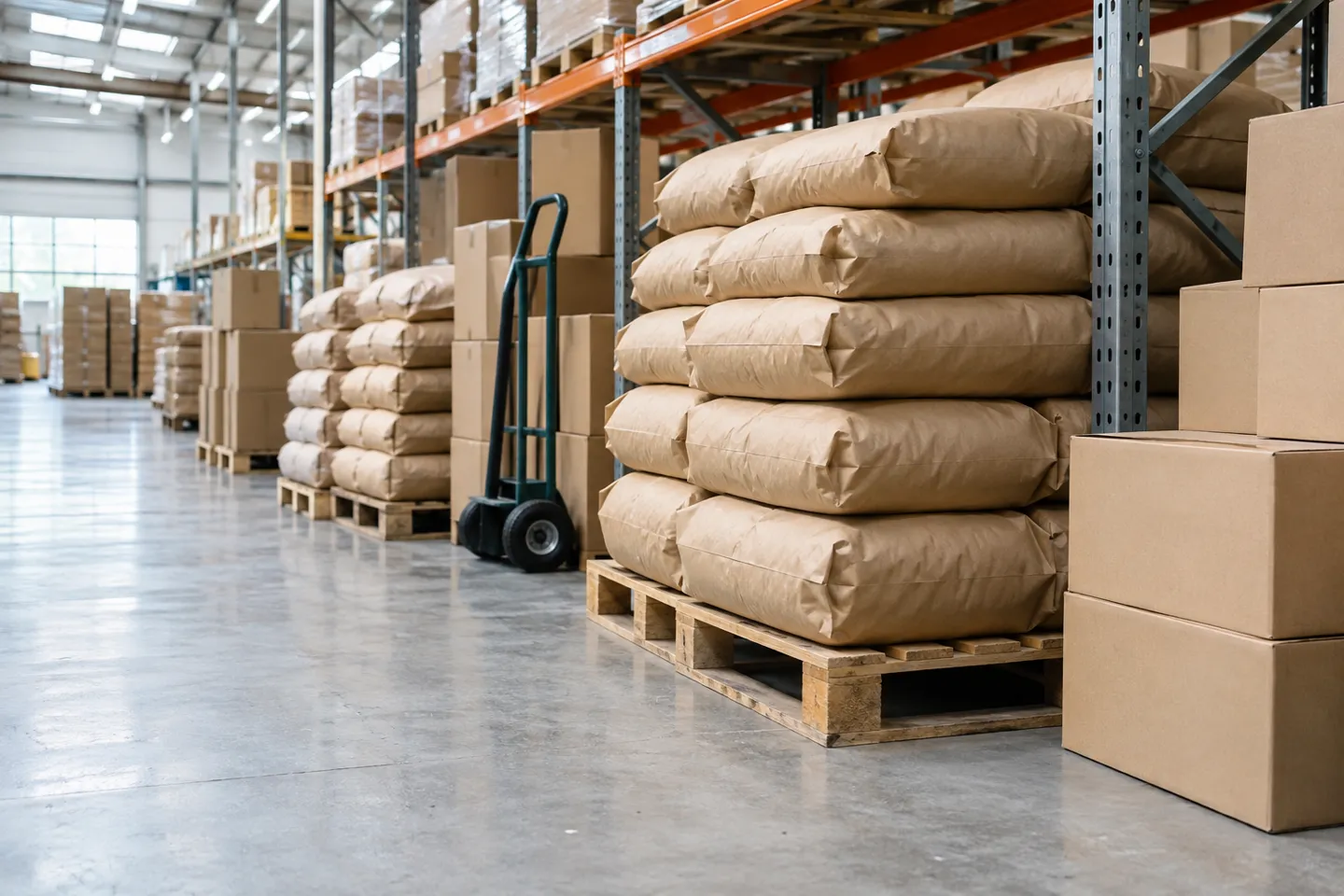
- Phase 2: Quality Buffering (3PL). Once a winner is found, buy in bulk but DO NOT send it all to Amazon. Route it to SpeedBee’s China 3PL warehouse. Here, we perform the “Yellow Line” QA—physically auditing factory materials (e.g., verifying GSM in fabrics) and executing secondary FNSKU labeling to intercept the 15% defect rate before it crosses the ocean.
- Phase 3: Asset Scaling (FBA). Drip-feed your pristine, upgraded inventory from SpeedBee’s 3PL directly into Amazon’s fulfillment centers via cost-effective DDP ocean freight (30-45 days transit). You maintain a perfect IPI score, avoid the 365-day LTSF penalties, and fuel your organic rankings with flawless inventory health.



 English
  Spanish
  French
  German
  Italian
  Polish