
The Ugly Truth: Is Dropshipping Still Worth It for Beginners?
Forget the beachside laptop lifestyle. We crack open the real P&L data to see if this fulfillment model can actually survive soaring ad costs and global supply chain squeezes.
The Brutal Truth: Evaluating the Model in This Era
Let’s set the record straight immediately: as a fulfillment method, supply chain decentralization will never die. Retail giants have utilized it for decades. But as a “get-rich-quick” traffic arbitrage shortcut? That era is completely and irreversibly dead. When corporate strategists and entrepreneurs are evaluating whether dropshipping remains a viable business model in 2026, they must strip away the marketing fluff from social media gurus and audit the brutal economic reality.
Executive TL;DR: In the past, success meant finding a moderately interesting product and throwing $100 at Meta ads. Today, you are competing in a high-stakes auction against venture-backed DTC brands. The average Cost Per Acquisition (CPA) has skyrocketed, consumer patience for shipping is nonexistent, and global customs policies are tightening. Gross revenue means nothing if your net margins are silently bleeding out.
Many early-stage founders assessing the true ROI of a drop shipping business end up blowing their initial budget in a matter of days. According to recent ecommerce financial audits, a Return on Ad Spend (ROAS) below 3.0 currently translates to a definitive net loss for low-ticket items. Running an entry-level store right now is essentially like borrowing someone else’s kitchen to cook for VIP guests. When the raw ingredients get expensive or the delivery driver is three weeks late, you absorb the 1-star reviews and the PayPal disputes—not the overseas supplier.
The ROI Autopsy: A Hardcore Breakdown of Real Profit Margins
To establish a sustainable operation, we must act like CFOs auditing a balance sheet. Let’s look at the financial autopsy of a single transaction by comparing two entirely different business models currently operating in the market.
Scenario A: The “Classic” Low-Ticket Arbitrage Trap
When determining the profitability of relying on public B2C catalogs for your sourcing strategy, the numbers paint a grim picture. Let’s run the exact parameters on a typical $49 smart neck massager. This is the exact economic model driving 90% of beginners into bankruptcy within their first quarter.
| Financial Metric | Value per Order | Impact on Margin |
|---|---|---|
| Retail Price (AOV) | $49.00 | Baseline Revenue |
| COGS (Product + Slow ePacket) | -$15.00 | $34.00 Gross Profit |
| Payment Gateway Fee (2.9% + 30¢) | -$1.72 | $32.28 Remaining |
| Estimated Marketing CPA (Meta) | -$28.00 | $4.28 Remaining |
| Refund/Chargeback Buffer (5%) | -$2.45 | $1.83 Net Profit |
Scenario B: The High-Ticket & Branded Economics
Now, contrast that fragile ecosystem with a modern, high-ticket approach utilizing a private supply chain. If you are selling a premium ergonomic office chair, the economics shift dramatically. High Average Order Value (AOV) creates a massive economic moat.
| Financial Metric | Value per Order | Impact on Margin |
|---|---|---|
| Retail Price (AOV) | $300.00 | Baseline Revenue |
| COGS (Premium Product + Air Freight) | -$100.00 | $200.00 Gross Profit |
| Payment Gateway Fee (2.9% + 30¢) | -$9.00 | $191.00 Remaining |
| Marketing CPA (Higher ad cost) | -$80.00 | $111.00 Remaining |
| Refund/Chargeback Buffer (5%) | -$15.00 | $96.00 Net Profit |
Diagnostic Conclusion: A single high-ticket sale yields over 52x the net profit ($96.00 vs. $1.83) of a classic low-ticket item. This robust economic model provides the exact cash flow redundancy necessary to absorb traffic cost spikes, cover operational overhead, and scale a legitimate brand without fear of a single refund wiping out a week’s worth of work.
The Double-Edged Sword: Core Pros and Cons Unfiltered
Every business model has trade-offs. To objectively decide if allocating resources to a dropshipping venture makes financial sense, you must weigh the allure of being asset-light against the grim reality of operational instability.
| The Allure (Business Advantages) | The Grim Reality (Structural Vulnerabilities) |
|---|---|
| Zero Upfront Inventory Risk: Test markets without purchasing bulk stock. | Zero Quality Control: Relying on “shared inventory” leads to sudden stock-outs mid-campaign. |
| Location Independence: Manage the business globally from a laptop. | Payment Gateway Bans: Extremely high risk of Stripe/PayPal freezes triggered by shipping delays. |
| Global Reach & Scalability: Tap into international consumer bases rapidly. | Regulatory Exposure: Vulnerable to complex geopolitical shifts and stringent customs audits. |
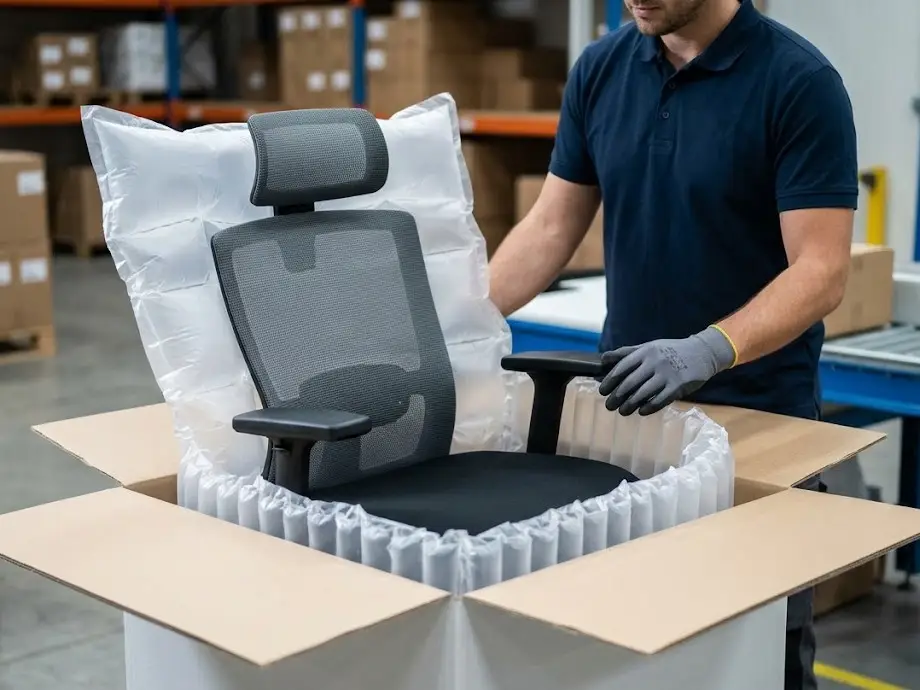
The lack of supply chain control is the undisputed killer of scaling stores. However, top-tier sellers mitigate this through Fulfillment-Side Upgrades. Instead of constantly testing new products, they mandate their private suppliers to perform 100% pre-shipment QC (Quality Control) inspections and utilize custom anti-damage packaging. This strategy does not require meeting massive factory MOQs (Minimum Order Quantities), yet it effectively compresses the refund rate from an industry average of 5% down to below 0.5%.
The Global Logistics Maze: Navigating 2026 Compliance
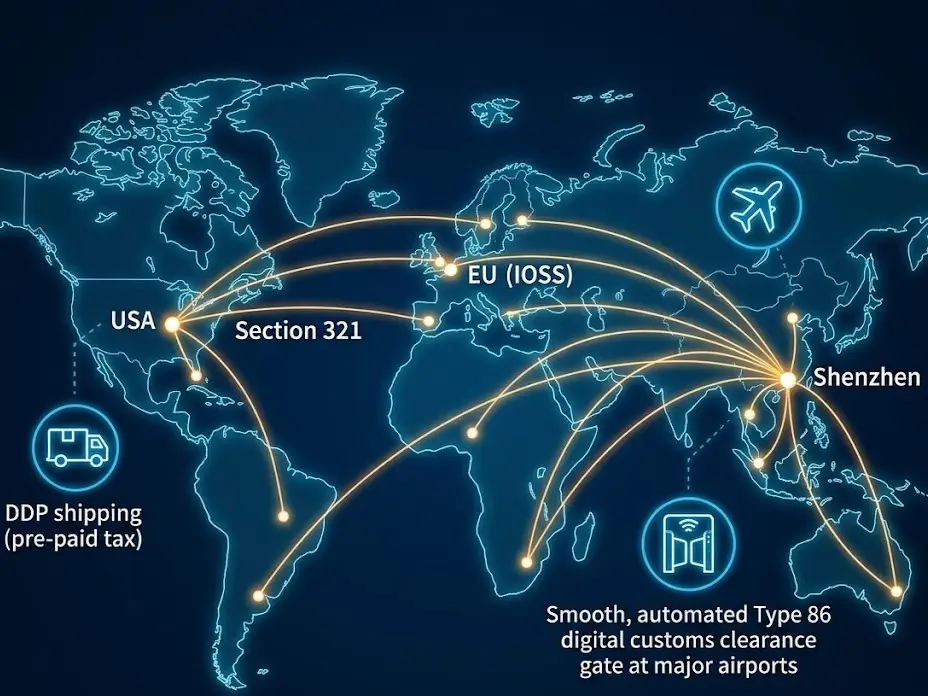
Relying on standard public postal networks from overseas is now a liability. In the United States, the scrutiny over Section 321 (the de minimis exemption) has intensified, demanding highly precise data flows and electronic manifests for every parcel to clear customs without delay. Specifically, mastering Type 86 clearance is now mandatory; without this formalized electronic entry, low-value shipments will face severe bottlenecks at the border, effectively destroying your promised delivery times.
In Europe, navigating the IOSS (Import One-Stop Shop) system is non-negotiable. You must ensure your logistics are strictly DDP (Delivered Duty Paid). If a supplier irresponsibly ships a package DDU (Delivered Duty Unpaid), your buyer will receive a surprise customs tax bill at their door. The moment a customer feels extorted by hidden fees, it will immediately trigger a 40%-60% refusal and chargeback rate, accompanied by devastating public reviews that permanently poison your merchant credibility.
The Survival Playbook: How to Build a Defensible Store
To survive the brutal realities outlined above, you must engineer a bulletproof, end-to-end commercial system encompassing product selection, supply chain, and front-end conversion.
High-Ticket & Niche Selection for 2026
A successful commercial loop begins with abandoning saturated, low-ticket impulse buys. Pivot to niches that possess a functional moat—such as B2B supplies, specialized hobbyist equipment, or premium home improvement tools. By slicing the market precisely, you achieve a higher AOV, granting you significantly more bidding power in ad auctions and building financial redundancy into your backend.
Pivoting to SLA-Backed Supply Chains
Determining if building a Shopify storefront yields sustainable returns depends entirely on your backend partner. Public sourcing platforms are notorious for “ghosting” sellers during crises. You must pivot to private suppliers who operate on SLA-backed guarantees (Service Level Agreements). Partnering with a dedicated agency like SpeedBee ensures exclusive inventory allocation, express air freight (4-7 days to the UK/EU), and strict compensation protocols where lost or damaged items are unconditionally reshipped based on a legally binding agreement.
Engineering a Moat Beyond the Product
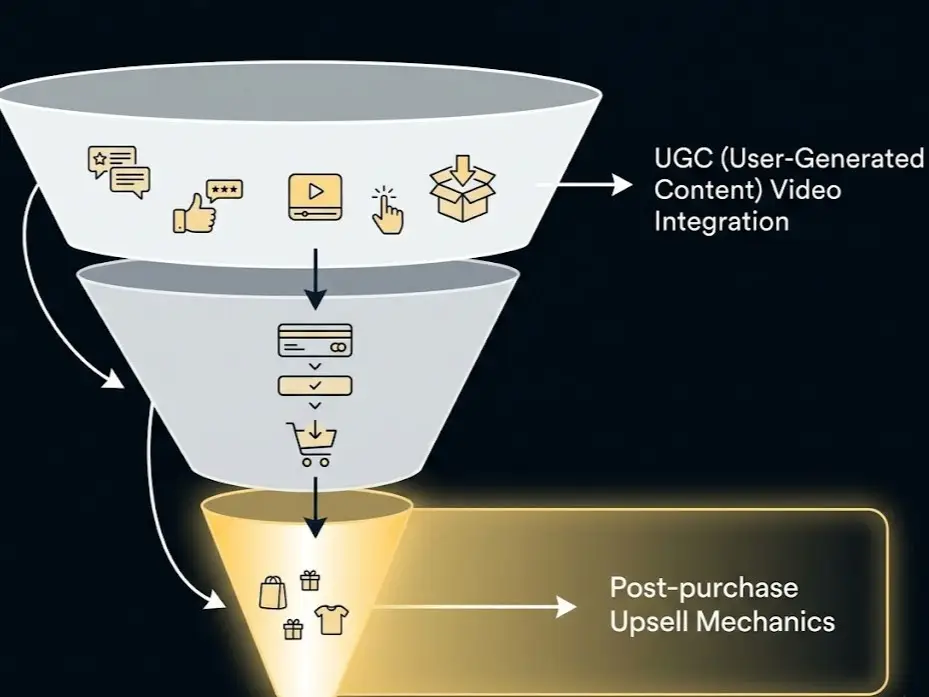
A premium supply chain is useless if your storefront bleeds traffic. To maximize the high AOV economics, your frontend marketing must be ruthless. First, integrate authentic UGC (User-Generated Content) video demonstrations to shatter buyer hesitation. Second, deploy aggressive, multi-step Abandoned Cart email and SMS sequences to recover lost revenue. Finally, implement seamless Post-purchase Upsells—offering a complementary $30 accessory the moment after the initial credit card swipe. This is how you extract maximum LTV (Lifetime Value) from every hard-earned click.
The Final Verdict: A Strategic Stepping Stone
Dropshipping is not a magical standalone business model; it is a highly effective Cash Flow Strategy and a brilliant MVP (Minimum Viable Product) testing tool. If you have the analytical mindset to optimize CPA and understand that dropshipping is merely the first step toward custom packaging and bulk warehousing, it remains a powerful entry point into global e-commerce.
Stop guessing your profit margins and letting hidden logistics fees bleed your cash flow dry. Before you launch your next campaign, let’s run your numbers through a ruthless financial stress test.
Get a Free Margin Audit



 English
  Spanish
  French
  German