
Italians spent €58.8 billion shopping online in 2024. That was six percent more than the year before, and the research group behind the numbers projects more than €62 billion for 2025 (Osservatorio eCommerce B2c Netcomm, 2025). Around 35.2 million people in the country buy online on a regular basis. Fashion has long been the largest-earning category. So is dropshipping in Italy still worth doing? The model is legal and the market is real. Whether one store profits is decided by its supply structure, not by the concept.

Dropshipping to Italy: The Market, the Rules, and One Clarification
“Dropshipping Italy” covers two different ventures. One is a seller anywhere in the world who wants Italian customers. The other is a seller living in Italy who runs a store and needs goods to fulfill it. Both are legal. One clarification matters before anything else: nothing about selling to Italian buyers requires an Italian supplier. Search results are crowded with directories of Italian fashion, leather, and food suppliers. That creates the impression that the supplier must sit inside the country. Three supply structures coexist, and each places your goods at a different point on the map.
The rules worth knowing before you start are few. Selling into the EU from outside the bloc? The Import One-Stop Shop lets a registered seller collect VAT at checkout on consignments valued at €150 or less (European Commission, 2026). Operating a business inside Italy itself? Then a partita IVA comes into play. The flat-rate regime for small businesses carries a revenue ceiling of €85,000 (Agenzia delle Entrate, 2026). Product safety and data protection duties sit with the seller under any structure. The obligations follow you. They do not dissolve because a supplier handles the goods.
A minimal entry list, then. Decide whether your customer is an Italian buyer or the Italian market itself. Pick a tax path that matches that answer. Pick a supply structure. Set delivery expectations in advance. This guide concentrates on the third item. It decides more of your margin than any other single choice you will make.
Three Structures That Can Stock and Ship an Italian Order
Every Italian order has to answer three questions: who stocks the goods, who clears the border, and who delivers to the door. Three structures answer them differently. Most sellers inherit one by accident instead of choosing it.
Three supply structures for Italian orders
| Structure | Delivery profile | Cost and catalog | Branding support | Inventory | Clearance and after-sales |
|---|---|---|---|---|---|
| Italian domestic supplier | Domestic last mile, days | High product cost, narrow catalog heavy on fashion and leather | Strong for genuine Made-in-Italy positioning | Their stock, wholesale terms | No border crossing; terms vary by supplier |
| EU warehouse platform | Local second leg is fast, transit pages list no figures | Higher unit cost, fixed catalog of a few thousand SKUs | Limited to platform options | Shared stock across sellers | Platform handles EU-side paperwork |
| China agent line, dedicated stock, DDP | Door-to-door across Europe in 4-7 days, quoted in advance | Lowest product cost, near-unlimited catalog depth | Hangtags, branded packaging, custom cards built into the line | Your own reserved stock, synced to your store | DDP clears at EU entry with taxes prepaid; agent handles loss and damage |
Italian domestic suppliers are the ones every listicle promotes. Their strength is real. The Made-in-Italy label carries pricing power in fashion, leather goods, and food. A domestic parcel crosses no border. The constraint is structure. These are mostly wholesalers with catalogs concentrated in a few categories. Many are not set up to ship single parcels on your behalf. Their product costs leave thin room for paid traffic. For a store whose entire premise is authentic Italian luxury, this is the correct answer. For a general catalog competing on price and selection, it usually is not.
EU warehouse platforms sit at the opposite pole. They hold stock inside the bloc and hand parcels to local carriers. The second leg of delivery is genuinely quick. Their Italy pages promise fast shipping and automation. Not one of them publishes an actual transit figure for the full route. The costs are a fixed catalog of a few thousand SKUs. Unit prices sit well above Chinese sourcing. Inventory is shared with every other seller on the platform, which is where stockouts come from.
The third structure is a Chinese fulfillment agent with dedicated stock and a DDP line. You buy stock of proven products and place it in the agent’s warehouse. The agent picks, packs, inspects, and ships each order as it arrives. The EU border is cleared with taxes prepaid. Product cost stays low. Catalog depth is effectively unlimited. The branding work that decides fashion margins becomes a mechanical part of the line. Hangtags, printed cards, and branded packaging ship as standard, not as exceptions. The trade is capital. This structure ties up money in stock the other two never ask for.
Why do supplier lists keep pushing the first structure? Because a list is a channel catalog. Directories earn placement fees and affiliate commissions. They rank suppliers, not structures. Two lists rarely agree because they monetize different channels. The durable question is not which supplier tops a list. It is which structure can absorb the failures your store cannot afford.
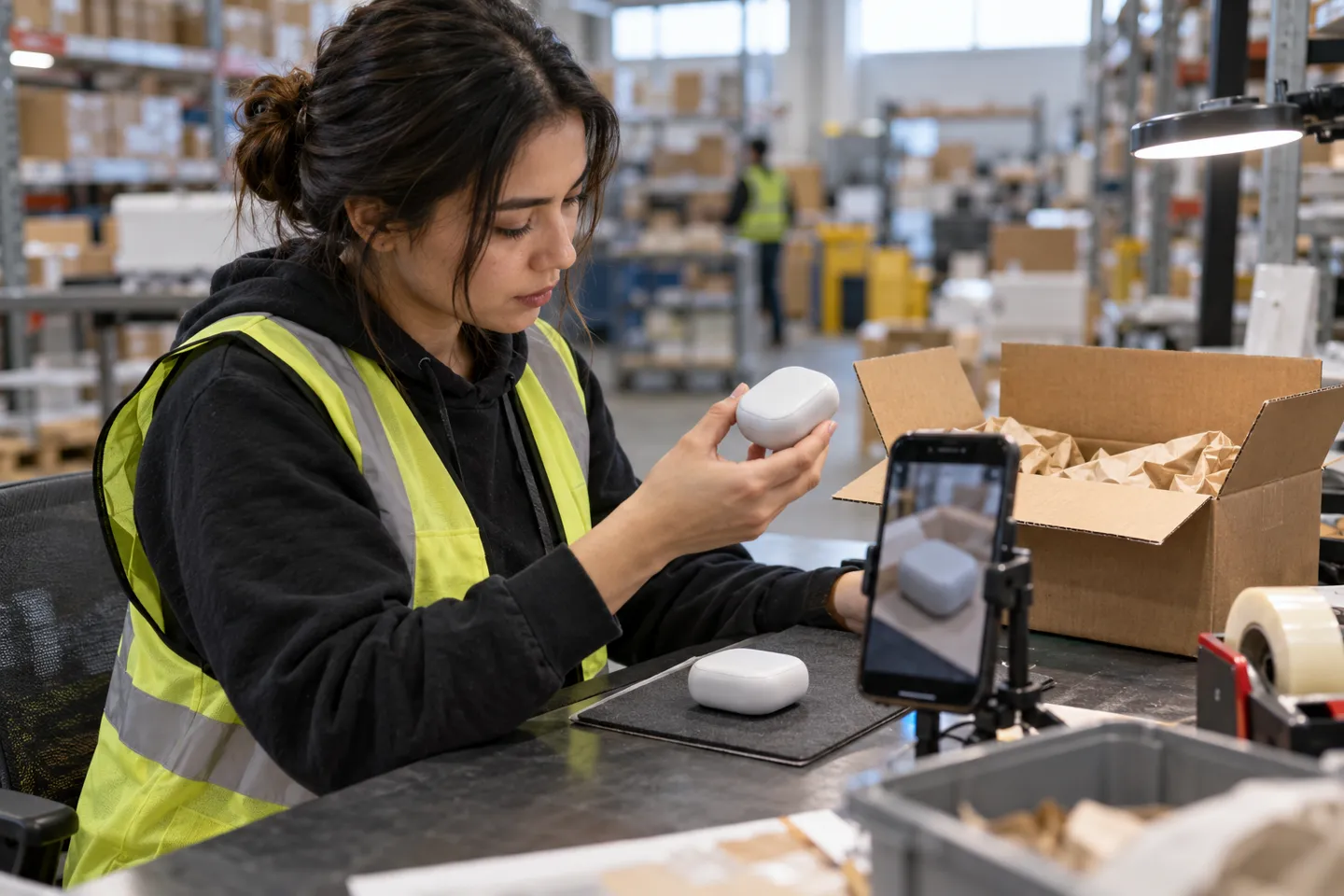
Which Structure Survives the Italian Terrain in 2026
The most repeated piece of advice about supplying Italy is blunt. One operator put it this way on r/dropshipping: Italian import customs is possibly the slowest and fussiest he has seen, so forget about using Chinese suppliers (r/dropshipping, 2025). The observation comes from real experience and deserves to be taken seriously. The conclusion points at the wrong variable.
Parcels tagged “made in China” reach Italian customers every day at two very different speeds. The slow version travels by postal route. The recipient is responsible for duties and paperwork, and the parcel stalls whenever a declaration looks thin. The fast version flies as DDP freight. Taxes are settled before departure, and declaration data travels with the parcel. Door-to-door time across EU destinations runs 4 to 7 days on a working agent line. Same country of origin, opposite outcomes.
The customs story is a delivery-mode problem wearing a nationality costume. Once you see the split, the supplier’s passport stops being the variable to optimize.
Enforcement is tightening in parallel, which raises the cost of running an informal setup. Since July 2021 the IOSS regime has removed the old VAT exemption on low-value imports. From July 2026 the EU began scrapping the €150 customs-duty exemption as well. A flat €3 duty per low-value item replaces it while the reform phases in (European Commission, 2025). Italy enforces its own side too. One would-be Italian seller describes the local rules and tax percentages as blocking him from working with the usual Chinese marketplaces altogether (r/dropshipping, 2026).
The squeeze lands on the structure-less middle: postal routes, shared stock, and tax paths left as an afterthought. What survives is a structure with stock you control and a delivery mode that pre-pays the border. Its paperwork can survive an inspection. That is a description of requirements, not of any single vendor.
Two China-to-Italy speeds, same origin
Postal route with recipient-side clearance: weeks, and refusal-prone. Agent DDP line with taxes prepaid and data pre-lodged: 4-7 days door-to-door across Europe. The difference is the delivery mode and the paperwork, not the supplier’s nationality.
Running the China Line to an Italian Doorstep
If you operate the agent line, or plan to, here is the chain from order to doorstep. Five segments. Each one carries a judgment you can write down in advance.
Stock placement
Buy stock of proven products into a dedicated warehouse before orders arrive.
Judgment: a shared-inventory listing that stocks out mid-campaign sinks the ad spend that made it sell.
Order intake and handling
Orders sync from Shopify automatically, processed within 48 hours and handed to the carrier within 2 days when details are complete.
Judgment: processing speed is a promise you can put on your own checkout page.
Linehaul and exit routing
Flights leave from the South China airport cluster; battery and other sensitive goods route through Hong Kong.
Judgment: cargo type decides the route, and the route sets the floor on transit time.
EU entry clearance
DDP freight with duties prepaid and declaration data traveling with the parcel; IOSS covers the VAT side on consignments up to €150.
Judgment: this segment decides whether the customs stories are about you.
Italian last mile and tracking
Local postal or courier delivery under a single trackable number, with delays flagged to customers before they ask.
Judgment: expectation management protects conversion; silence generates chargebacks.
The first two segments are where stock strategy becomes customer experience. Stock you own in the agent’s warehouse cannot vanish from under a running ad. Orders that sync automatically remove the copy-paste layer where most fulfillment errors are born. The 48-hour figure is worth interrogating like any supplier promise. It holds when order details are complete. Your job is keeping the data clean. The agent’s job is the clock.
Routing looks abstract until a battery-powered product is involved. Goods with built-in batteries cannot fly on ordinary routes out of mainland China. They exit through Hong Kong. A line that plans for that split quotes you a transit time it can actually keep. This is the unglamorous mechanics behind a delivery promise. It is the level at which you should be interviewing any fulfillment partner.
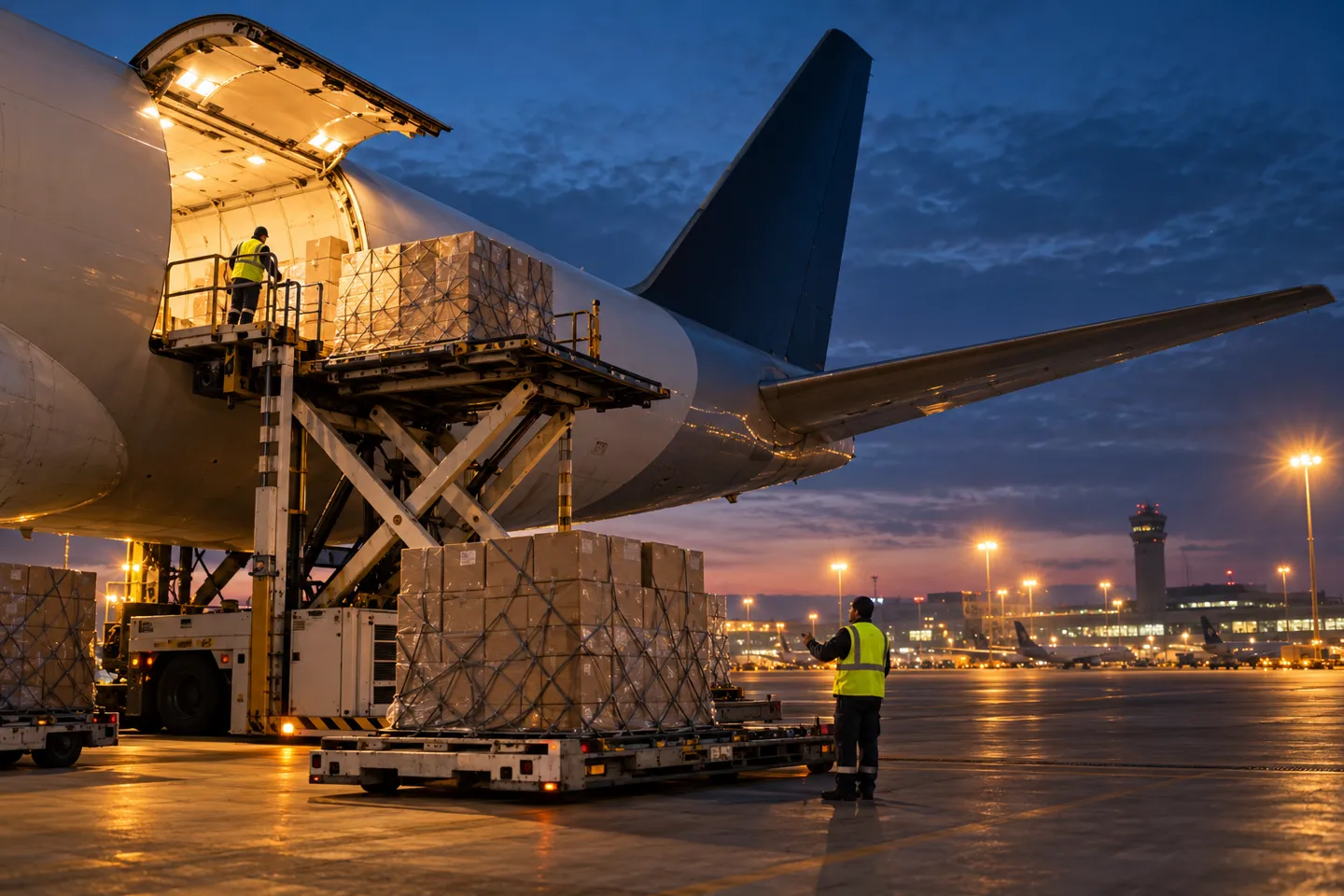
Clearance: Why DDP Decides the Italian Experience
The customs segment deserves its own inspection. It is where the famous Italian slowness actually lives or dies.
DDP vs DAP on the Italy line
| Aspect | DDP (seller pays, clears to door) | DAP (recipient pays) |
|---|---|---|
| Who handles clearance | Sender’s broker, papers pre-lodged | Recipient, contacted after arrival |
| Who pays duties and VAT | Settled before departure; VAT via IOSS at checkout up to €150 | Customer, on delivery or at a customs office |
| Parcel-attached risk | Clears in line with flight and customs queues | Can sit until the customer pays and responds |
| Buyer experience | One price, one delivery, no surprises | A second payment and a letter from customs |
Under DDP, the VAT conversation happens in your checkout, not at your customer’s door. A registered seller collects it on consignments up to €150 under IOSS, and the declaration data rides with the parcel (European Commission, 2026). Above that value, standard import processing applies. Watch your price points; there is no reason to panic. What actually decides clearance speed is unglamorous. Truthful declared values. Complete data. Duties prepaid. A broker who works the file. A parcel held because a recipient will not pay a surprise charge is not Italian bureaucracy. It is a delivery-mode decision made weeks earlier.
Branding and Quality Checks on the Line
Fashion, Italy’s largest online category, is also the category where unbranded goods leave the most money on the table. On a dedicated-stock line, the branding work is mechanical. Your hangtag replaces the factory’s. Inner packaging carries your brand. A custom card with a printed message rides in the box. The first piece is packed on video against your written spec, so the standard is confirmed before batch shipping. Four-stage inspection runs ahead of packing. Goods are verified against your sample, appearance is checked, and function is tested, including battery items. Then everything is cleaned and packed.

There is an honest scale gate here. The private agent a successful Italian fashion seller describes integrates with his store, invoices daily, and handles fulfillment and semi-branding. Agents like that usually want steady volume before they take a store on. His own advice to beginners is to start with the big platforms and move to a private agent once orders justify it. His verdict after switching: there is no going back (r/DropshippingTips, 2026). The structure has an entry ramp. It is not a day-one requirement.
When steady orders justify a private line, SpeedBeeDropship quotes dedicated stock, DDP clearance, and the branding layer as one Europe line.
Get a Europe line quoteWhere the Italian Line Breaks: Failure Modes and Stop-Loss Moves
Lines break at predictable points. The stop-losses are all rules you can write before the first order ships. Two failures on this route get almost no coverage. One of them is not logistics at all.
Payments: The Failure Nobody Puts on the Supplier List
The fashion seller who runs the agent line was blacklisted by every payment processor he used. All of them at once, with no policy violation he could identify. He describes the episode as the lowest point of his career. Another operator in the same thread lost four stores and every payment channel at once, with 10 to 20 thousand in monthly revenue per shop (r/DropshippingTips, 2026). Risk systems flag infrastructure, not intent. A thin company structure raises the score. So do a single processing channel, chargeback spikes from slow delivery, or a catalog that pattern-matches to fraud. The stop-losses are structural. Build the business on a real entity in a sane jurisdiction. Keep a second processing channel warm before you need it. Treat delivery performance as a payments topic. Chargebacks track the mailbox before they track the ledger.
The compliance layer has its own boundaries. Operating a business inside Italy means a partita IVA. The flat-rate regime is available under the €85,000 revenue ceiling (Agenzia delle Entrate, 2026). Selling into the EU from outside means IOSS registration sits with you or your intermediary. Shipping DDP does not transfer the declaration duty to the agent. Product safety and data protection obligations follow the seller under every structure. None of these transfer by choosing the right supplier. That is exactly why they belong on your checklist and not in the supplier search.
Returns and the Stop-Loss Matrix
Cross-border returns to China are not economical. Operators put the return leg at tens of euros per parcel, which erases most low-ticket orders by itself. The rules therefore get written before launch. Refund without return for low-value defects. Local disposal when return freight exceeds unit value. Free reshipment for lost or damaged parcels under the agent’s liability. Inspection up front, so the defective unit never boards the plane.
Stop-loss checklist
- Refund-without-return threshold set in writing
- Reshipment clause for loss and damage agreed before launch
- Declared values truthful and consistent
- A second payment channel configured and tested
- Italian-language product copy and support templates ready
- Peak-season stock placed 3-4 weeks before campaigns
Two rows in the matrix below deserve a longer look before you meet them in the wild. Missing Italian-language product copy and support reads to customers as distance. Distance reads as risk at the moment of payment. Cash on delivery retains a legacy in some Italian segments. Refusal rates are the direct price of offering it. Both are conversion problems that masquerade as cultural trivia until the chargebacks arrive.
Failure modes on the Italy line
| Failure scenario | Early signal | Stop-loss move | Which structure hurts most |
|---|---|---|---|
| Clearance hold | Recipient asked to pay charges on arrival | Ship DDP with prepaid duties and pre-lodged data | Postal direct shipping |
| Peak-season delay | Space tightens 3-4 weeks before campaigns | Book linehaul early, set customer expectations by email | All structures, worst without stock buffers |
| Stockout mid-campaign | Supplier lead times stretch, quotes drift | Dedicated reserved stock synced to your store | Shared-inventory platforms and dropship lists |
| Lost or damaged parcel | Tracking stalls in one segment | Reshipment or refund under the agent’s liability clause | Lines without written after-sales terms |
| Return request | Refund asks cluster on one SKU | Refund-without-return below a set value; local disposal above return freight | Every cross-border structure |
| Payment channel ban | Chargeback ratio climbs, catalog flags | Second processor live, entity structure clean, delivery fast and documented | Solo operators on one channel |
| Tax registration miss | Sales grow with no VAT path in place | Register IOSS or partita IVA before scaling spend | Informal setups of any structure |
The Italy Math: What Your Structure Decides
Five accounts translate the structure choice into money. The time account: a 4 to 7 day DDP line changes what you can promise at checkout. The difference against a weeks-long postal route shows up in refusal rates and ad-account health, not just in reviews. The stockout account: inventory shared with every other seller fails exactly when your ads perform. Stock you own removes that failure mode entirely. The branding account: in the largest Italian category, hangtags, cards, and packaging are margin levers. The unbranded version of the same unit competes on price alone. The returns account: rules written before launch decide whether a defect costs a refund or a refund plus a round trip to Asia. The quality account: inspection before shipping is cheaper than after. One agent line’s published upgrading cases report an 82% reduction in complaint share after material and process changes (its product-upgrading page, 2026).
The Italy math in five numbers
- 4-7 days door-to-door DDP across Europe
- 48-hour order processing with a 2-day carrier handover
- €150 IOSS checkout threshold for VAT
- €3 interim flat duty per low-value item since July 2026
- €85,000 flat-regime revenue ceiling for operating in Italy
Scale decides the order of operations. While testing, settle the tax path and the delivery promise, and run volume through the platforms. Once orders are steady, dedicated stock and a DDP line stop being upgrades. They become the baseline. When a category proves itself, branding services and product upgrading turn the same line into a brand.
The partner checklist compresses all of it. Look for 48-hour processing with a 2-day carrier handover. DDP clearance to door across Europe with taxes prepaid. Your hangtags and custom cards in the box. Inspection evidence on request. Free reshipment for loss and damage. Single-number tracking with delay warnings. Our Europe line runs on exactly these parameters, with door-to-door delivery windows across Europe quoted in advance. We build the branding layer into the same line too: hangtag swaps, branded inner packaging, and custom cards. SpeedBeeDropship is the name on that promise. We hold stock for each store separately, so your bestseller cannot be someone else’s backorder.
Whichever structure you choose for Italy, judge it on the parameters above. We keep a public catalog if you want a second quote to measure against.
Put your store on a dedicated-stock DDP line
48-hour processing, taxes prepaid at EU entry, and your branding in the box — measured against the checklist above.
Request a fulfillment quoteReferences
- Osservatorio eCommerce B2c Netcomm. “L’eCommerce B2c in Italia Supererà i 62 Miliardi di € nel 2025.” 2025. https://www.consorzionetcomm.it/lecommerce-b2c-in-italia-superera-i-62-miliardi-di-e-nel-2025-6-con-352-milioni-di-consumatori-online/
- European Commission. “VAT One Stop Shop (OSS and IOSS).” 2026. https://vat-one-stop-shop.ec.europa.eu/index_en
- Agenzia delle Entrate. “Regime Forfettario: Le Regole.” 2026. https://www.agenziaentrate.gov.it/portale/regime-forfetario-le-regole-2020-/infogen-regime-forfetario-le-regole-2020-
- European Commission. “E-Commerce: €150 Customs Duty Exemption Threshold to Be Removed.” 2025. https://taxation-customs.ec.europa.eu/news/e-commerce-150-eur-customs-duty-exemption-threshold-be-removed-2026-2025-11-13_en
- European Commission. “EU Customs Reform.” 2026. https://taxation-customs.ec.europa.eu/customs/eu-customs-reform_en
- Reddit, r/DropshippingTips. “21y/o Italian Dropshipper, $380k Revenue in March… AMA.” 2026. https://www.reddit.com/r/DropshippingTips/comments/1swn5d9/21yo_italian_dropshipper_380k_revenue_in_march_5k/
- Reddit, r/dropshipping. “Dropshipping in Italy—Market Insights & Best-Selling Products?” 2025. https://www.reddit.com/r/dropshipping/comments/1mgfrve/dropshipping_in_italy_market_insights_bestselling/
- Reddit, r/dropshipping. “Dropshipping Italy.” 2026. https://www.reddit.com/r/dropshipping/comments/1tvm62f/dropshipping_italy/




 English
 Spanish
 French
 German
 Italian
 Polish