
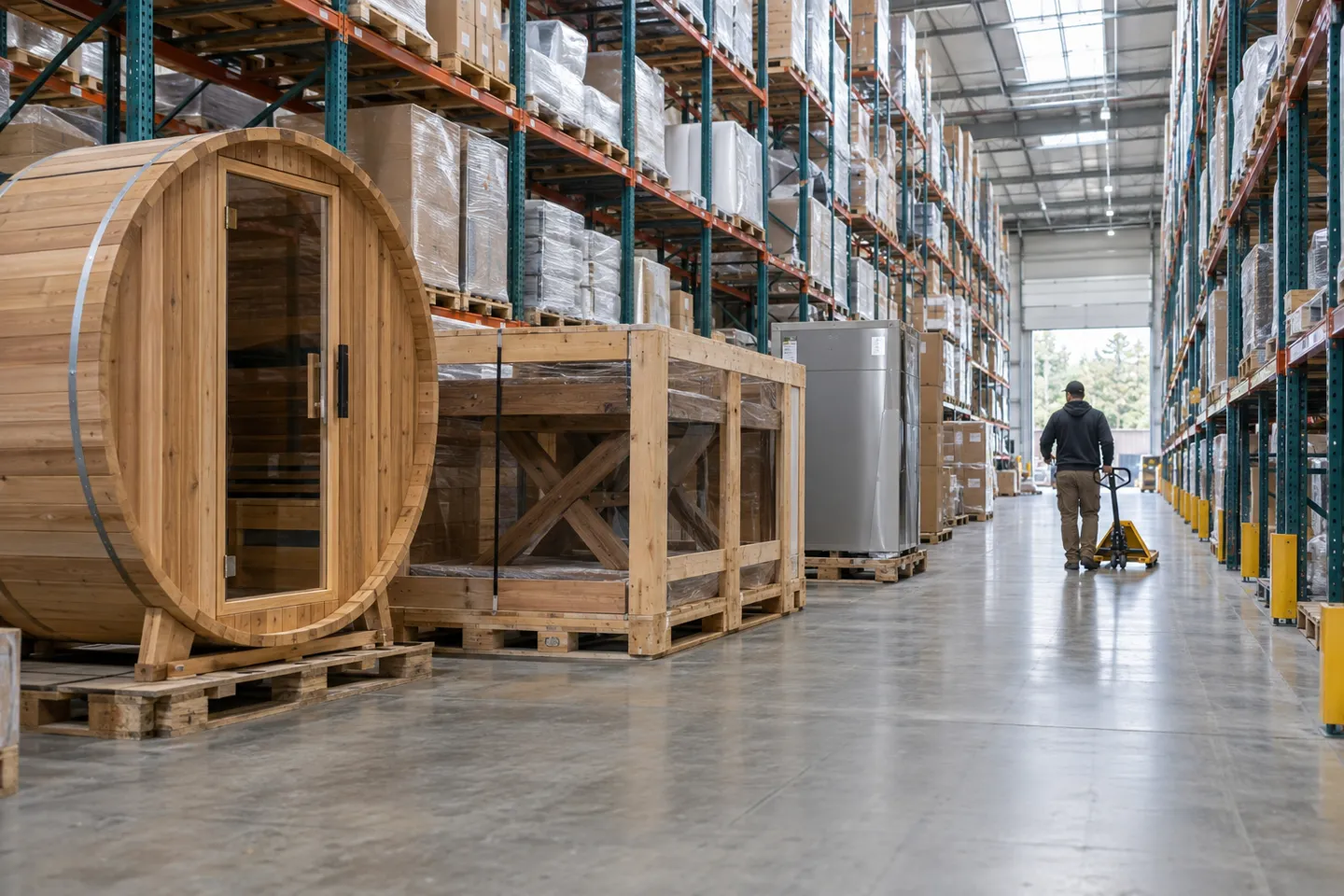
A $3,000 cedar barrel sauna sits in a supplier’s catalog next to a $30 phone case, and both carry the same label: dropshipping product. The sauna pays you $600 or more in a single sale. It can also cost you $1,100 in a single bad week: cracked in transit, refused at the door, or disputed by the cardholder. Every “best high-ticket dropshipping products” list tells you the first half of that story. This article is about the second half, because the second half is what decides whether the model works.
High-Ticket Dropshipping Basics: Why the Math Cuts Both Ways
Most guides draw the high-ticket line somewhere between $200 and $1,000, and the disagreement itself is informative. A $250 espresso machine and a $5,000 massage chair do not fail in the same ways, so the number matters less than what the number does to your costs. For this article, treat anything from roughly $300 upward as high-ticket, and treat the ceiling as open.
The appeal is real and simple. One sale on a four-figure item can outearn forty sales of impulse goods, ad budgets stretch further per order, and fewer orders mean fewer support tickets. What the appeal hides is that the four costs that eat a dropshipping margin all scale with the price tag.
Returns come first. The NRF and Happy Returns 2025 report projects that 19.3% of online purchases in the US came back (NRF & Happy Returns, 2025). Apply that rate to a $30 gadget and shrug. Apply it to a $2,500 order and the math deserves its own line in your business plan.
Disputes come second. Mastercard’s 2025 estimate puts the all-in cost of one chargeback, including lost merchandise, shipping, and staff time, at about $110 (ClearSale, 2025). Processors start treating you as high-risk above a 1% chargeback rate (Stripe, 2025), and at high-ticket order values you hit 1% with very few disputes.
The high-ticket risk card
Above a 1% dispute rate, processors flag your store as high-risk (Stripe). At $1,000+ carts, each of these numbers multiplies against four figures.
Freight and damage come third and fourth. The costs of moving a bulky item, and the odds of it arriving less than perfect, both climb with size and fragility. So the honest formula for a high-ticket store reads: net profit = margin – ad cost – returns – freight damage – disputes. Sellers who list products using margin alone are reading half the formula.
That is also the standard this article applies. The categories below are not ranked by demand or margin percentage. They are ranked by how much fulfillment burden each one creates, because your net profit lives on the burden side of the equation.
Best High-Ticket Products, Ranked by Fulfillment Reality
Every listicle can tell you that furniture, saunas, massage chairs, and e-bikes sell well. None of them tell you what changes once a customer clicks buy. The same massage chair is an opportunity on a demand chart and a freight problem on a loading dock. Sorting products by delivery difficulty fixes that blind spot, and it takes one pass through four tiers.
The dividing line is mostly physical. US parcel carriers handle single packages up to 150 lbs, and anything beyond that moves as less-than-truckload freight (NMFTA). Weight is only half of it, though. Fragility, assembly, batteries, and after-sales complexity decide the rest.
High-ticket products by fulfillment tier
| Tier | How it ships | Typical categories | Dominant risk | Non-negotiable precondition |
|---|---|---|---|---|
| Tier 1 Parcel-friendly | Standard parcel | Espresso machines, laser projectors, premium cookware sets | Thin moat, price competition | Margin that still works after ads |
| Tier 2 Bulky, rugged | LTL freight | Solid-wood furniture, barrel saunas, cast-iron fire pits, outdoor pizza ovens | Freight cost share, last-mile coordination | Freight quote built into pricing |
| Tier 3 Bulky, fragile | LTL freight with protective packing | Ceramic bathtubs, marble-top tables, glass-front appliances, large aquaria | Damage in transit = whole-order loss | Pre-shipment QC plus damage-reshipment clause |
| Tier 4 Battery/sensitive | Air lane restricted (batteries often ex-Hong Kong) | E-bikes, e-scooters, portable power stations | Lane access plus UN 38.3 battery compliance | Supplier with certified battery lanes |
Tier 1: Parcel-Friendly Premium
Compact, durable goods in the $300 to $900 range are the gentlest entry into high-ticket. Espresso machines, laser projectors, and premium cookware sets ship as regular parcels, survive transit at ordinary parcel damage rates, and rarely need installation support. A new store can learn the model here without a freight broker on speed dial.
The boundary is just as clear. Parcel-friendly means everyone else can do it too, so price competition is sharpest in this tier, and the ceiling on order value is lower. If your margin cannot survive a realistic customer acquisition cost, the tier’s low risk will not save you.
Tier 2: Bulky but Rugged
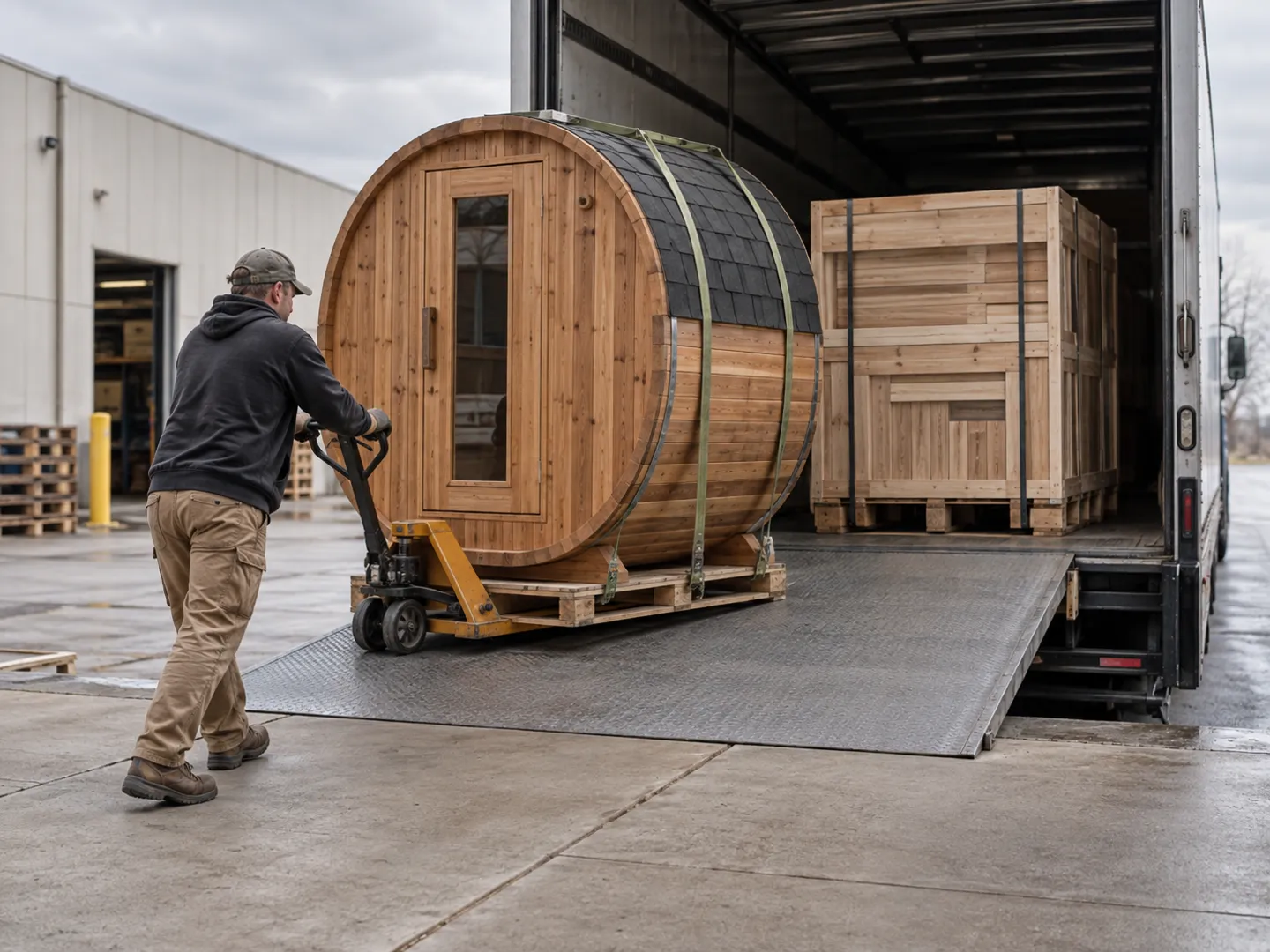
Solid-wood furniture, barrel saunas, cast-iron fire pits, and outdoor pizza ovens carry four-figure price tags and shrug off handling. Ruggedness is their superpower: a scratched crate is a nuisance, not a lost sale. Buyers in this tier also tend to be deliberate, which lowers impulsive returns.
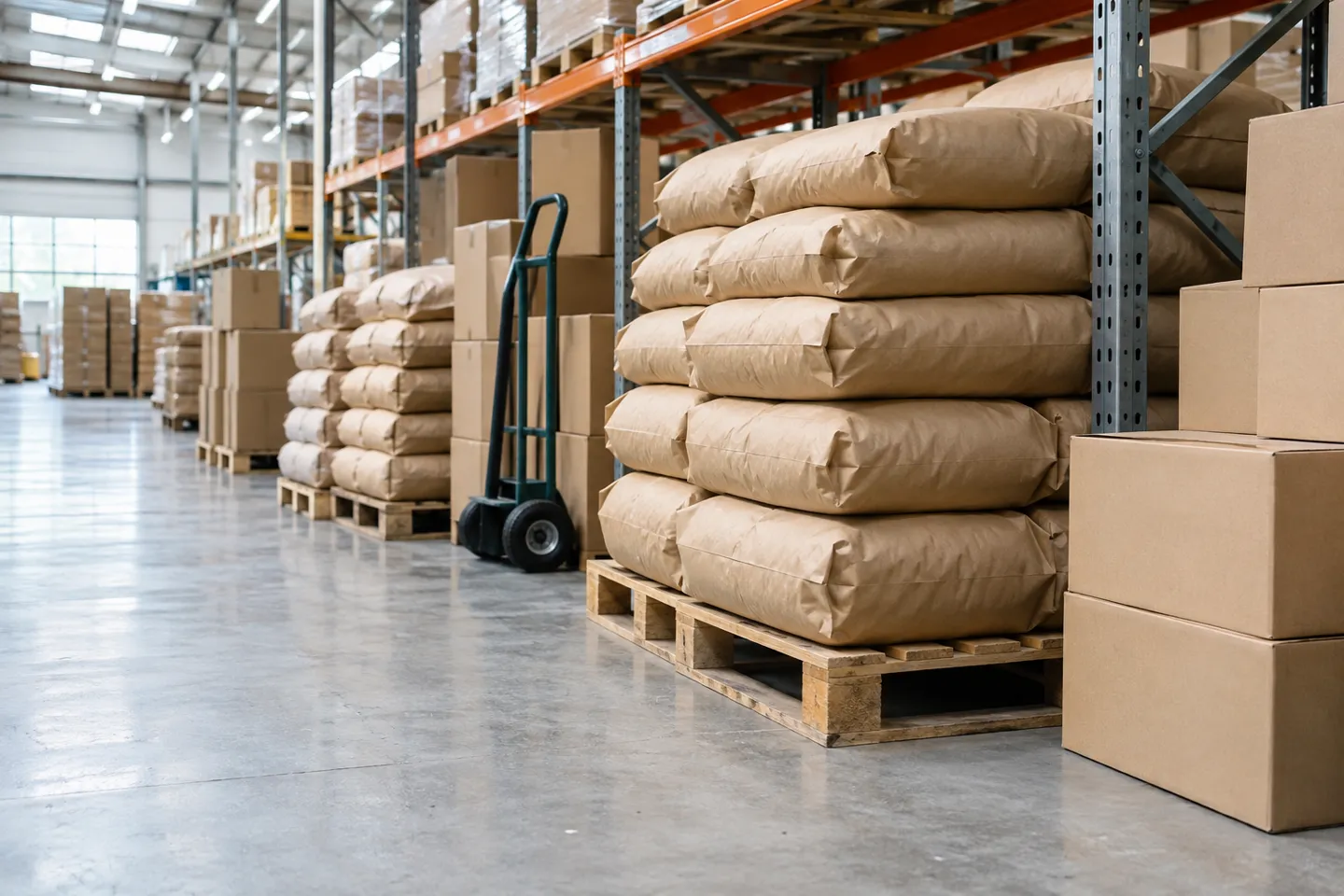
What they demand is freight competence. Past 150 lbs a shipment needs LTL freight, a delivery appointment, and a plan for curbside versus doorstep handoff. Price the freight share into the product from day one, because discovering it after the first ten orders is how stores die quietly.
Tier 3: Bulky and Fragile
Ceramic bathtubs, marble-top tables, glass-front appliances, and large aquaria are where transit damage stops being a cost line and becomes the business model’s main enemy. One cracked tub is the whole order gone, plus return freight, plus a replacement, plus the review. The products sell extremely well precisely because they are awkward, which keeps competition thinner.
Before you list in Tier 3
Pre-shipment inspection on every order, plus a written damage-reshipment clause with your supplier — both locked before the first listing goes live. Everything else in this article is negotiable; these two are not.
Tier 4: Battery and Sensitive Goods
E-bikes, e-scooters, and portable power stations are among the most profitable high-ticket categories, and they carry a constraint no other tier has. Lithium batteries restrict which air lanes the cargo can use. Battery goods commonly route through Hong Kong departures, and cells are expected to meet the UN 38.3 test standard. This is not a reason to avoid the tier. It is a supplier filter, because a source without certified battery lanes simply cannot ship your orders.
Boundary line for the whole map: apparel, beauty products, books, and phone accessories dominate dropshipping volume but almost never clear a high-ticket bar. Their return behavior is also the worst in e-commerce. They are different businesses with different mechanics.
Run every candidate through five checks before it reaches your store: realistic ticket price, margin after advertising, delivery tier from the table above, after-sales complexity, and source availability. That last check is where most wishlists die, and it is where the next section picks up.
Before you commit ad spend to a category, ask SpeedBee what is actually sourceable — dedicated warehouse stock, pre-shipment inspection, and DDP door-to-door come standard.
Request a Sourcing QuoteWhere to Source High-Ticket Products: Four Models Compared
The top Google result for sourcing high-ticket products is, fittingly, a Reddit thread full of store owners asking each other where to find supply. That is the state of the information: four workable models, three conflicting camps of advice, and very little side-by-side comparison. Here is the comparison.
Model 1: The US Authorized-Dealer Route
You apply to carry domestic brands as an authorized reseller. Store owners who run this model describe the entry requirements: a registered business, a sales tax ID, a real phone line, and brand-by-brand approval, sometimes including minimum storefront standards. In exchange you get short domestic shipping distances, brands customers recognize, and MAP pricing that protects everyone’s margins.
The limits are equally concrete. Approval is slow and can simply fail, your catalog is restricted to brands that say yes, and stocking arrangements often mean real inventory commitments. For US-based sellers with patience, it remains the default playbook.
Model 2: Platform Catalogs (AliExpress-Style)
Marketplace catalogs need no application, no negotiation, and no commitment, which is why every beginner starts there. For high-ticket goods they have a specific structural flaw: shared inventory. The listing shows stock that other sellers are drawing on at the same moment. The $2,000 order you just paid ads to win can turn out to be unfillable. Add no inspection before shipping and no meaningful recourse when quality fails, and the model’s true price becomes visible exactly when you cannot afford it.
Model 3: Direct-from-Factory Sourcing
Contacting Chinese manufacturers directly, whether through B2B marketplaces or trade shows, gets you the best unit economics and full customization potential. It also makes you the freight forwarder, the quality inspector, the packager, and the after-sales department. Factory direct works best for sellers with China experience or feet on the ground, and with categories that tolerate a learning curve. Minimum order quantities and communication overhead are the entry toll.
Model 4: A China Sourcing Agent with Dedicated Inventory
The fourth model is a middle path that has matured over the past five years. An agent sources from the factory network, but the stock sits in your own dedicated warehouse space rather than a shared pool. Every order passes inspection before it ships, and the service layer handles DDP delivery to the buyer’s door. The trade is a service margin on top of product cost. What you buy back is the entire operations stack that Models 2 and 3 force you to run yourself.
Sourcing models compared
| Model | Entry barrier | Inventory model | Damage and after-sales burden | Best fit | When it fails |
|---|---|---|---|---|---|
| US authorized dealer | High: business registration, brand approvals | Often real stock commitments | Brand warranty process, domestic returns | US-based niche stores with patience | Approval denied or category locked |
| Platform catalog | None | Shared pool | Entirely on you, no recourse | Testing demand cheaply | Stockout on a sold order; quality dispute |
| Direct from factory | MOQ, sourcing skill, QC setup | You hold the stock | Entirely on you | Experienced sellers, custom products | No China operations capability |
| China agent + dedicated inventory | Moderate: vet the agent | Your own reserved stock | Contractually on the agent | Solo operators without warehouses or QC teams | Agent vetting fails the acceptance checklist below |
One compliance note cuts across all four models. Battery categories need lanes certified for lithium cargo, and powered appliances need the certifications your destination market expects, such as CE or UKCA markings in Europe. Confirm lane access before you commit, not after the first order.
The Acceptance Checklist: What to Lock In Before You List
High-ticket failures rarely announce themselves as product mistakes. They show up as a cracked shipment nobody inspected, a sold order with no stock behind it, or a dispute with no evidence to answer it. All three are contract problems pretending to be luck, and all three can be closed before launch.
Before signing. Establish how stock is held: your own reserved inventory, or a shared pool. At four-figure order values a stockout is not an inconvenience, it is a refund plus a wasted customer. Set the service terms in writing. Cover what happens when a parcel is lost, arrives damaged, or fails quality checks. Pin the delivery commitment to realistic lane times, such as DDP door-to-door service. And set order processing speed in hours, not days.
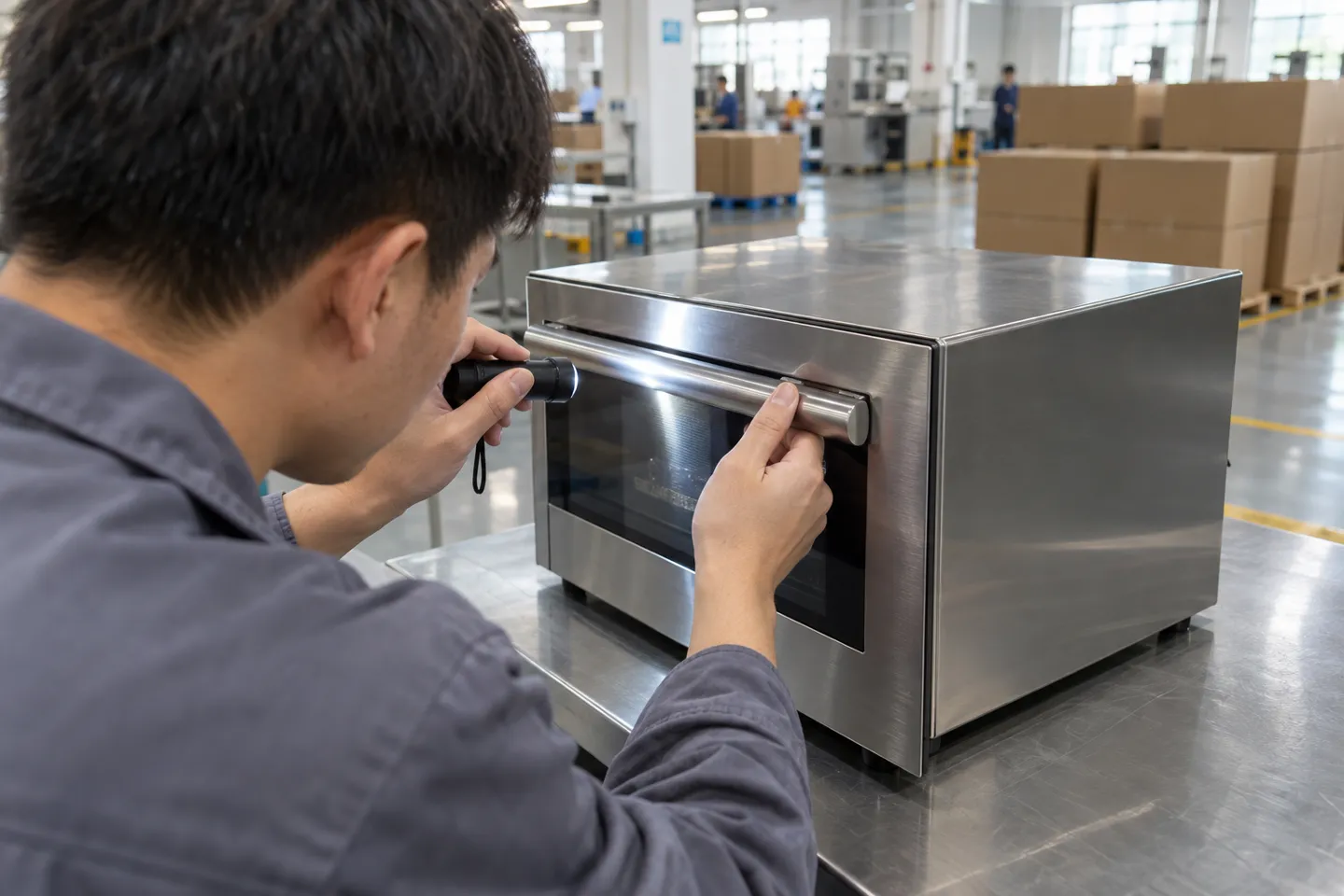
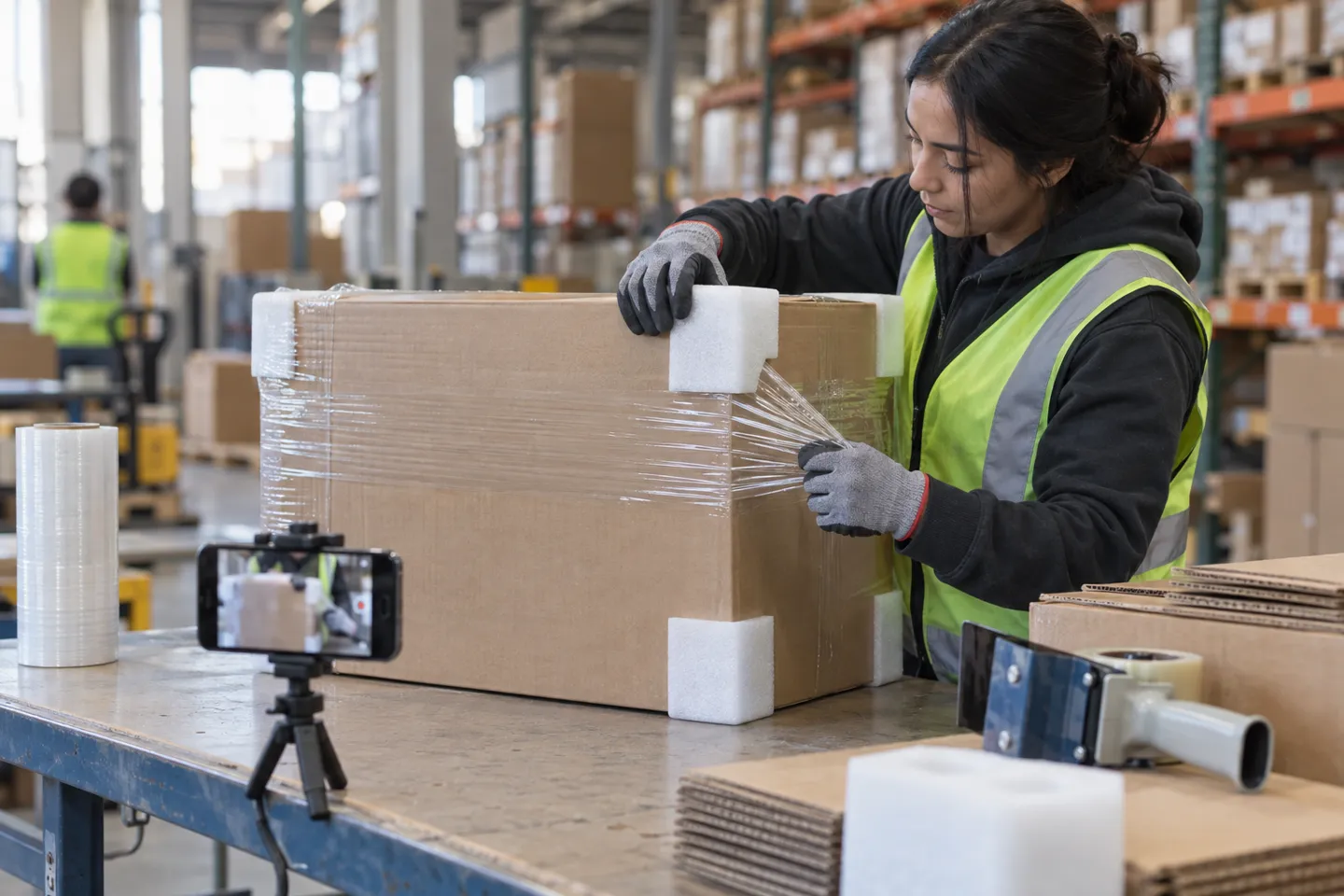
Before shipping. Every unit passes a physical inspection: function tests, color and size verification, damage checks. The first order is packed on camera from multiple angles and the footage goes to you for sign-off, which calibrates the packing standard for everything after. Protective materials, corner guards, film wrap, and cushioning, are specified per product rather than left to whoever is standing at the packing bench.
After delivery. Know the two places parcels go missing: the domestic leg before airline departure, and the last-mile handoff. Prepare the dispute evidence chain now, while nothing is wrong. Packing video, inspection records, tracking history, and proof of delivery answer a chargeback far better than a paragraph of prose. And write warranty ownership into the supply contract itself, because deciding after a defect appears who pays for it is a conversation nobody enjoys.
Supplier acceptance checklist
Before signing
- Reserved (not shared) inventory confirmed in writing
- Lost/damaged/quality-failure reshipment clause signed
- DDP door-to-door commitment with lane-specific transit times
- 48-hour order processing commitment
Before shipping
- Per-unit pre-shipment inspection with function tests
- First-order packing video sign-off
After delivery
- Chargeback evidence chain: packing video + inspection record + tracking + POD
- Warranty ownership assigned in contract
None of this makes a store risk-free. Seasonal air-freight congestion and carrier backlogs stay outside anyone’s contract. What the checklist does is move every controllable failure from “hope” to “clause”, which at four-figure order values is the difference between a bad week and a bad quarter.
Turning Fulfillment Strength into Pricing Power
Everything so far has been defense. The same machinery, pointed the other way, becomes the reason a customer pays your price instead of the cheapest listing.
Factory-direct product upgrades are the clearest example. Swapping a grade of filling material, upgrading battery cells, or moving to a wrinkle-resistant fabric does not require new molds, which keeps cost and risk contained. The numbers hold up in documented upgrade cases. Bed-pillow complaint rates fell from the 0.34% to 0.56% range to 0.077% after filling and fabric changes. Desk-lamp battery complaints went from the 0.85% to 1.02% range to zero after a cell and protection-board upgrade. Those percentages look small until you remember each complaint on a high-ticket item carries replacement cost, return freight, and a public review.
Custom packaging works the same way on the perception side. Branded outer cartons, inner boxes, and a card turn an unboxing into part of the product. That is exactly what a four-figure buyer expects and a discount listing cannot copy.
The boundary is sequencing. Upgrades reward sellers who have validated one category and intend to stay in it. If you are still switching niches every quarter, run the selection and sourcing game first; upgrading an unvalidated product is decorating a moving target.
The Business, Re-Read: Structuring Your Supply Side
Step back from the tactics and the whole argument compresses into one sentence: the product list is free, and the fulfillment structure is the business. Category intelligence has never been cheaper, which is exactly why it no longer decides anything. The questions that separate stores still running in two years from the ones writing off a $3,000 sauna are these. How does the product travel? Who absorbs the damage? Who answers the dispute? Who holds the stock?
For a solo operator without a warehouse or a QC team, the implication is specific. Heavy-burden tiers stay viable, but only with a supply structure that absorbs the burdens you cannot. That means stock reserved for your orders and inspection before anything ships. It means compensation terms that trigger on failure, and delivery fast enough that a four-figure buyer never spends three weeks in regret. Deduct those from the formula in the first section and what remains is your actual margin.
That is also where we state our own position plainly. SpeedBee was built as that structure for dropshipping stores. Every client gets a dedicated warehouse space with six months of free storage, so the stock behind your orders is real rather than shared. Each first order is packed on multi-angle video for your sign-off before it leaves. Our free reshipment guarantee covers parcels lost in transit, damaged on the way, or failing quality inspection, and orders are processed within 48 hours. The failure modes this article keeps returning to become clauses in our service instead of risks on your desk. If that matches the structure you just decided you needed, the next step is a quote, not a commitment.
If you want to price test the shipping side first, start with SpeedBee’s catalog. Its shipping pages lay out DDP door-to-door times by lane, including the UK route that delivers in as fast as 3 days.
Turn the Checklist into Clauses
SpeedBee runs the supply structure this article described: reserved warehouse space, per-unit inspection, packing-video sign-off, and a free reshipment guarantee.
Get a SpeedBee QuoteReferences
- NRF & Happy Returns. “Consumers Expected to Return Nearly $850 Billion in Merchandise in 2025.” 2025. https://nrf.com/media-center/press-releases/consumers-expected-to-return-nearly-850-billion-in-merchandise-in-2025
- NMFTA. “Parcel vs. LTL Shipping: What’s the Difference?” https://nmfta.org/resource/parcel-vs-ltl-shipping/
- ClearSale. “The Reality of Chargeback Fees in 2026.” Mastercard 2025 All-In Cost Estimate. https://www.clear.sale/blog/chargeback-fees-what-do-chargebacks-cost
- Stripe. “What Is an Average Chargeback Rate? A Guide for Ecommerce Businesses.” 2025. https://stripe.com/resources/more/what-is-an-average-chargeback-rate-a-guide-for-ecommerce-businesses
- r/dropship. “Where Should I Source High-Ticket Dropship Products?” https://www.reddit.com/r/dropship/comments/14bol2e/where_should_i_source_highticket_dropship_products/



 English
 Spanish
 French
 German
 Italian
 Polish