
If you run a Shopify clothing store and you’ve already been burned once — tracking number shows “UK warehouse” but the package originates in Shenzhen, customer complaints stack up over sizing and fabric quality, and your supplier goes silent the moment a return request comes in — you’re not alone. The “best clothing dropshipping suppliers UK” search is deceptively simple. Behind those five words is a fragmented landscape of print-on-demand specialists, wholesale fashion liquidators, multi-category platforms, and overseas one-stop suppliers with UK fulfillment arms. Most comparison articles flatten them into a single list. This guide won’t.
You need to know three things before you open a single supplier tab: which business model fits your store, which suppliers lead each category, and how to verify them before your first customer order ships. Here’s the full breakdown.
The 3 Models of UK Clothing Dropshipping (and Which Fits Your Business)
Every search for “clothing dropshipping suppliers UK” is really a search for one of three fundamentally different business relationships. Confuse the models, and you’ll waste weeks contacting suppliers who can’t serve your actual needs.
Model A — Print-on-Demand (POD): made for brand builders.
You upload designs. A UK-based printer produces each item after the customer orders it. No inventory, no bulk purchasing, no warehousing costs. The trade-off: unit costs are high (£8–£12 for a basic printed tee, retailing at £20–£30), and your margin is thinner per sale. POD works if your value proposition is your design and brand identity, not your price. Suppliers like Inkthreadable, T Shirt & Sons, and Snuggle Partners dominate this space — UK production facilities, 1–5 day domestic delivery, white-label packaging options.
Model B — Wholesale Ready-Made: made for volume fashion sellers.
You buy stock from a UK wholesaler — ex-high-street brands, boutique apparel, or designer labels — at 40–60% below retail, then resell. This is traditional dropshipping: you list their inventory, they fulfill. Margins are better than POD (per unit), but you need to manage inventory sync and minimum order values (£100–£250 typical). Catwalk Wholesale, Top Down Trading, and DevilWear operate in this lane — each with a distinct price band and style profile.
Model C — One-Stop Platforms: made for scale-focused multi-category sellers.
You pay a monthly subscription (£25–£100) to access a marketplace of vetted UK suppliers with automated order routing, stock sync, and multi-channel integration. Think of it as “Amazon for dropshippers” — instead of managing individual wholesaler relationships, you pick products from a centralized catalog. Avasam, Spocket, Syncee, and Wholesale2B UK are the major players. Clothing is one category among many. This model saves time but adds a platform fee layer to your COGS.
Quick self-diagnosis: Which model are you?
“I design my own graphics and want my own clothing brand.” → Start with Model A (POD).
“I want to sell trending fashion pieces without the per-unit premium of POD.” → Start with Model B (Wholesale).
“I’m scaling across multiple product categories and need automated inventory sync.” → Start with Model C (Platform).
Below, each model gets a dedicated breakdown with the best UK suppliers in its category.
Best UK Clothing Dropshipping Suppliers by Seller Type
Before diving into the lists, answer these three questions to route yourself to the right section:
1. Do you need custom branding (labels, neck tags, packaging)? → H3: Brand Builders
2. Are you focused purely on fashion, with style curation as your competitive edge? → H3: Fashion Retailers
3. Are you running a multi-category store and need automation above all else? → H3: Multi-Platform Sellers
The suppliers below are grouped accordingly. Each entry includes what they’re best at, a key limitation, and the seller profile they serve.
For Brand Builders — Best UK Print-on-Demand Clothing Suppliers
Print-on-demand lets you sell branded clothing without touching inventory. The UK has a surprisingly mature POD ecosystem — here are the five that matter:
| Supplier | Best For | Tech Stack | UK Delivery | Key Limitation |
|---|---|---|---|---|
| Inkthreadable | Eco-conscious streetwear brands | DTG + embroidery, native Shopify app | 1–5 working days | POD-only, no ready-made wholesale |
| T Shirt & Sons | High-volume premium DTG | Industrial DTG on organic blanks, UK/EU dual facility | 2–5 working days | Higher minimum viable order volume |
| Snuggle Partners | Full-service branded POD | DTG + sublimation + UV + embroidery, custom neck labels/swing tags/inserts | 3–7 working days | Premium pricing per unit |
| Two Fifteen | Multi-platform POD sellers | DTG/DTF + sublimation + embroidery, Shopify/Etsy/WooCommerce | 2–5 working days | Narrower product range than Inkthreadable |
| Teemill | Sustainability-first brands | Circular organic cotton, renewable energy, same-day ship | 1–3 working days | Limited to casual/streetwear aesthetic |
How to choose within this group:
Pick Inkthreadable if sustainability is a core brand value and you need Shopify-native integration. Pick Snuggle Partners if you want the full unboxing experience — custom inserts, swing tags, the works. Pick Teemill if your brand story is built on circular economy credentials and you need same-day dispatch ((Two Fifteen – multi-platform POD with branded add-ons, Shopify App Store, 2025); (Clothes2Order – 20,000+ SKU custom apparel dropshipper, Order Desk, 2025)).
For sellers who want branded packaging without the per-unit POD premium, there’s a middle ground worth knowing: China-based one-stop suppliers that offer custom labeling and packaging on wholesale clothing. Instead of paying £8–£12 per POD unit, you source at wholesale prices and add branding at the packaging stage — a different cost structure that suits sellers doing 50+ orders per month.
For Fashion Retailers — Best UK Ready-Made Clothing Dropshippers
If your store competes on style curation rather than custom branding, wholesale-based dropshipping is the more profitable path. These UK suppliers ship ready-made fashion — no printing, no minimum design work:
| Supplier | Best For | Price Band | MOQ | Style Profile |
|---|---|---|---|---|
| Catwalk Wholesale | Women’s boutique owners | Mid-range | None | Exclusive women’s designs (dresses, jumpsuits, tops) |
| Top Down Trading | Discount fashion sellers | Low (ex-high street) | £100 | Ladieswear, menswear, childrenswear, footwear, accessories |
| DevilWear Ltd | Designer brand resellers | High (luxury) | Varies | Armani, Gucci, Police, Jack & Jones, Nixon, Von Zipper |
| WholesaleDeals Clothing | DIY sourcers | All bands | Varies | 104 verified UK textile & clothing wholesalers |
| SaleHoo (UK) | Research-first beginners | All bands | Varies per supplier | Vetted UK dropshippers with market research tools |
How to choose within this group:
Start with Catwalk Wholesale if you’re building a women’s boutique with exclusive designs — no MOQ means you can test categories risk-free, and free UK delivery over £250 keeps early margins healthy. Go with Top Down Trading if you’re selling at volume with a discount positioning — ex-high-street brands carry built-in recognition, and the £100 minimum order is manageable for stores doing £500+ monthly revenue. DevilWear is a niche play: if your audience expects designer authenticity (Armani, Gucci), this is your lane — but verify authenticity documentation before committing, as the designer resale market carries counterfeit risk ((Top Down Trading – ex-high-street branded clothing dropshipper, TheWholesaler.co.uk, 2025); (DevilWear Ltd – UK’s largest designer clothing dropshipper, Warwickshire Directory, 2025)).
SpeedBee Dropship takes a different approach to fashion retail: rather than reselling UK wholesale stock, it connects you directly to Pearl River Delta clothing manufacturers with 30,000+ SKUs across 16 categories — roughly 10× the catalog depth of a typical UK fashion wholesaler — while maintaining a 3-day UK delivery window from its Guangzhou warehouse. The trade-off is sample verification: you’ll want to order 3–5 test pieces before committing to a product line, since fabric quality and sizing can vary across manufacturers ((SpeedBee Dropship – clothing dropshipping catalog and fulfillment, SpeedBee, 2025)).
For Multi-Platform Sellers — Best UK Dropshipping Platforms with Clothing Catalogs
If you’re selling across Shopify, WooCommerce, and Amazon simultaneously — or scaling from 50 to 500 SKUs — manual supplier management becomes a bottleneck. These platforms automate the heavy lifting:
| Platform | Best For | Monthly Cost | UK Clothing Depth | Key Strength |
|---|---|---|---|---|
| Avasam | Mid-scale Shopify stores | From £25/month + VAT | Broad (fashion + 10+ categories) | Verified UK network, 4.9 Shopify rating, 4–5 day delivery |
| Spocket | Beginner-friendly | From $39.99/month | Moderate (curated UK/EU fashion) | Transit time estimates before importing, excludes forwarders |
| Syncee | Pan-European sellers | $40–$100/month | Broad (UK/EU fashion catalog) | Auto stock sync, native Shopify/WooCommerce apps |
| Wholesale2B UK | General dropshippers | ~$38/month | Moderate (clothing included) | Dedicated UK Shopify integration |
| TheWholesaler.co.uk | Budget-conscious DIY sourcers | Free to browse | Broad (directory of UK suppliers) | No platform markup — you deal directly with wholesalers |
How to choose within this group:
Avasam is the strongest all-rounder for UK-focused clothing stores — the 4.9 Shopify rating reflects reliability, and £25/month is competitive for automated fulfillment. Spocket has the best beginner UX: transit time estimates let you filter out suppliers who claim “UK warehouse” but ship from overseas. Syncee makes sense if you’re targeting multiple European markets alongside the UK — its EU supplier network is deeper than most UK-only platforms. TheWholesaler.co.uk is the zero-cost option: browse the directory, contact suppliers directly, and keep the platform fee ((Avasam – verified UK dropshipping platform, Shopify App Store, 2025); (Spocket – vetted UK/EU dropshipping suppliers, Spocket, 2025)).
Unlike marketplace platforms where you vet individual suppliers yourself, dedicated one-stop suppliers like SpeedBee operate as a single supply-chain partner — one account manager handles all 16 product categories, with automated Shopify sync, 48-hour dispatch, and 6 months of free warehousing per client. The model trades platform choice for operational simplicity: no switching between supplier dashboards, no reconciling different return policies. Whether that trade-off works depends on how much supplier diversity your store actually needs (SpeedBee Dropship – automated fulfillment and warehousing, SpeedBee, 2025).
5 Questions to Ask Before You Commit to a Clothing Dropshipper
A supplier’s website can say anything. These five questions — asked directly during vetting — separate reliable partners from marketing claims. Each comes with green and red flags to watch for.
Q1: “Where is your warehouse physically located?”
This is the single most important question in UK dropshipping. A surprising number of suppliers use a UK business address (often a virtual office or forwarding center) while their actual inventory sits in overseas warehouses, typically in China.
- Green flag: They name a specific UK city or industrial area, invite warehouse visits, and their tracking numbers consistently originate from that location.
- Red flag: They deflect with “we have multiple warehouses globally” without naming the UK facility. Tracking shows packages originating outside the UK after a 3–5 day “processing” lag — that lag is the boat or plane.
The distinction between “UK-based” and “UK-warehouse” isn’t inherently bad — overseas suppliers with UK fulfillment centers can offer deeper catalogs at lower prices, which we’ll examine in H2#4. The problem is misrepresentation — when a supplier claims UK location but drop-ships from abroad without telling you.
Q2: “Can I order samples before listing products?”
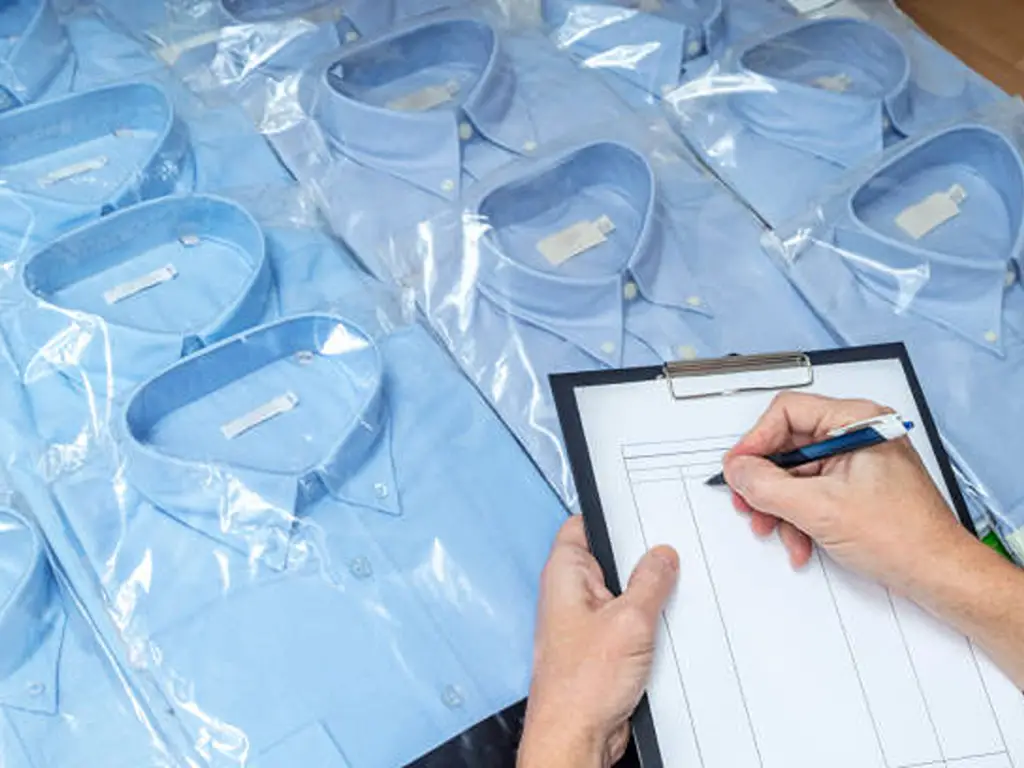
Never skip this step. Fabric weight, stitching quality, sizing accuracy, and packaging durability are impossible to assess from product photos alone. A supplier who refuses sample orders — or charges exorbitant sample fees — is hiding something.
- Green flag: They have a structured sample policy: reasonable per-unit cost (£5–£15), ships within their stated delivery window, no minimum order on samples.
- Red flag: “Our products are exactly as pictured” or sample fees exceeding £30 per item.
Budget £50–£150 for sample orders covering 3–5 items across different product categories. This is the cheapest quality insurance you’ll ever buy (Shopify, How to Find a Dropshipping Supplier, 2025).
Q3: “What’s your actual dispatch-to-delivery timeline for UK orders?”
Suppliers love quoting delivery times without mentioning processing time. A “3-day delivery” claim becomes 8 days when you add 5 days of order processing.
- Green flag: They separate processing time from transit time clearly — e.g., “Orders ship within 48 hours. UK delivery takes 2–3 working days after dispatch.”
- Red flag: They only quote “shipping time” without processing, or their stated timeline doesn’t match reviews from actual customers.
Ask for sample tracking codes from recent UK orders. Check the timeline from order placement to delivery yourself.
Q4: “What happens when a customer returns a defective item?”
Returns are the acid test of a dropshipping supplier. The answer reveals whether they see you as a partner or a transaction.
- Green flag: Clear policy on defective items (free refund or reshipment), responsive support channel (email + chat + phone), documented resolution SLA (e.g., “within 24 hours”).
- Red flag: “We are not responsible for shipping damage” or vague, one-sentence return policies that push all risk onto you.
The best suppliers in our list treat returns as a cost of doing business: Snuggle Partners, Avasam, and Printful all have published return policies with specific timeframes and coverage.
Q5: “Do you offer branded packaging or custom labeling?”
Even if you don’t need branding today, this question reveals supplier sophistication. A supplier who offers custom labels, branded inserts, or tailored packaging has invested in infrastructure beyond basic pick-and-pack — a proxy for overall operational maturity.
- Green flag: Specific branding options with pricing (e.g., “custom neck labels: £0.50/unit, branded poly mailers: £0.30/unit”).
- Red flag: Blank stare. “We just ship what’s in the box.”
UK-Based vs UK-Warehouse: What Most Supplier Lists Won’t Tell You
Here’s the part most “best UK dropshipping suppliers” roundups skip: the best supplier for your store might not be UK-based at all. It might be an overseas supplier with a UK fulfillment arm — and understanding this distinction changes your cost structure, catalog depth, and competitive positioning.
UK-Based means the company’s headquarters, warehouse, and operations are all within the UK. Inkthreadable (Blackburn), Clothes2Order (Manchester), and Top Down Trading (Enfield) all fit this definition. Their advantages: genuine 1–2 day UK delivery, UK consumer law coverage on returns, and no customs friction. Their limitation: catalog depth. A UK-only wholesaler stocks hundreds to a few thousand SKUs — constrained by domestic manufacturing capacity and warehouse space costs.
UK-Warehouse means the company operates internationally but maintains UK fulfillment capacity — inventory pre-positioned in a UK facility (or shipped via express logistics from an overseas hub with 2–5 day UK delivery). The catalog advantage is dramatic: a supplier connected to China’s Pearl River Delta manufacturing cluster can access 30,000+ SKUs across 16 product categories, compared to a few thousand from a UK-only supplier. The cost advantage: 30–50% lower unit prices by sourcing at factory gates rather than through UK-based middlemen. The trade-off: you lose the “same-day dispatch from Birmingham” speed in exchange for “48-hour processing + 3-day delivery from Guangzhou or a UK satellite warehouse.”
When does each model make sense?
| Scenario | Better Model | Why |
|---|---|---|
| Selling branded POD tees at £25+ | UK-Based POD | You’re competing on design, not price. Fast delivery + UK production = premium positioning |
| Selling 200+ fashion SKUs at £15–£40 | UK-Warehouse | You need catalog depth. UK-only wholesalers won’t have enough variety to sustain a fashion store |
| Selling trend-driven fast fashion at £8–£20 | UK-Warehouse | Unit economics require factory-gate pricing. UK wholesale costs make sub-£20 retail near-impossible |
| Selling designer/luxury labels | UK-Based Wholesale | Authenticity verification is easier with UK-based wholesalers who source from brand-authorized channels |
SpeedBee Dropship illustrates the UK-Warehouse model in practice. Operating from a 10,000 sqm facility in Guangzhou with 48-hour dispatch and 3-day UK delivery, it sits at the intersection of Chinese manufacturing depth and UK-market logistics speed. The model includes 6 months of free warehousing per client, pre-shipment quality control by an in-house team, and free refunds or reshipments for damage, loss, or quality failures. For a clothing seller scaling from 20 to 200 SKUs, the economics shift meaningfully: sourcing at factory-direct prices rather than UK wholesale markups can widen per-unit margins by 30–50%, enough to absorb the slightly longer delivery window while still undercutting UK-only competitors on price or reinvesting in ads ((SpeedBee Dropship – fulfillment infrastructure and service capabilities, SpeedBee, 2025)).
The key is not which model is “better” but which combination serves your store. Many successful UK clothing sellers run a hybrid: UK POD for their branded hero products (fast delivery, premium positioning) + a one-stop overseas supplier for trend pieces and catalog filler (depth + margins).
From Shortlist to First Sale: Your Clothing Dropshipping Launch Checklist
You’ve got the supplier categories, the company names, and the vetting questions. Here’s the step-by-step sequence that turns research into revenue:
Step 1 — Diagnose your seller type.
Go back to the self-assessment in H2#1. Are you a Brand Builder, Fashion Retailer, or Multi-Platform Seller? Your answer determines which supplier shortlist you pull from. If you try to run a fashion store on a POD-only supplier, you’ll burn through margin before you hit 50 orders.
Common mistake: Convincing yourself you’re “all three.” Pick the primary model. You can add a secondary later. Start focused.
Step 2 — Build a shortlist of 3–5 suppliers from H2#2.
Don’t contact 15 suppliers. Pick 3–5 from your target category, prioritizing the ones whose price band and MOQ match your current stage. A store doing £500/month shouldn’t be negotiating with a supplier whose minimum order is £250.
Step 3 — Run the 5-question vetting framework from H2#3.
Email each shortlisted supplier with Q1–Q5. Track response time (fast replies = operational health signal), specificity of answers (vague = risk), and willingness to provide sample tracking codes (refusal = red flag).
Step 4 — Order samples. £50–£150 total budget, 3–5 items.
Test across different product categories within your niche. Assess: fabric feel, stitching, sizing accuracy, packaging durability, delivery time vs. claimed time. Take photos. These are your future product images and your quality audit record.
Step 5 — Test the integration.
Connect one supplier’s Shopify app or API. Push 5 test orders through. Verify: order sync time, tracking number generation, notification emails, and how cancellations or address changes are handled.
Step 6 — Soft-launch with 10–20 SKUs for 2 weeks.
Don’t go live with 200 products on day one. Run 10–20 SKUs, fulfill real orders, and monitor: delivery time consistency, customer feedback on quality, return/refund rate, and supplier communication during issues. A 2-week trial with 10–20 completed orders reveals more than any website or sales call.
Step 7 — Scale gradually.
Once the trial validates your supplier, expand SKUs and activate paid acquisition. The goal isn’t to launch big — it’s to build a supply chain that doesn’t break when you scale.
If your store fits the one-stop sourcing model outlined in H2#4 — where catalog depth, factory-direct pricing, and consolidated supplier management outweigh the need for UK-based production — SpeedBee Dropship’s 30,000+ SKU clothing catalog with 3-day UK delivery and 48-hour dispatch is worth including in your sample-order shortlist. Their contact page offers a free quote with no upfront commitment, and the pre-shipment QC + free returns on defective items mean your first sample order carries minimal financial risk ((SpeedBee Dropship – contact and quote, SpeedBee, 2025)).
References
- Shopify. “How to Find a Dropshipping Supplier.” 2025. https://www.shopify.com/blog/dropshipping-supplier



 English
  Spanish
  French
  German
  Italian
  Polish