
What Makes a UK Dropshipping Product Worth Selling in 2026
Most “best products to dropship” lists share the same blind spot: they give you what is trending, then leave you to sort out the rest on your own. That is how beginners end up copying whatever is hot on TikTok — only to find their product takes 15 days to arrive, costs more to ship than it is worth, or hits a return rate that eats every penny of profit.
A product worth your time and ad spend in 2026 needs to clear four filters.
Market resonance. Is there real demand in the UK, or are you looking at global data that does not apply here? British consumers spend an average of £2,600 per year online, with social commerce transactions averaging £117.81 per order (ZIK Analytics, 2026). Products that fit UK-specific habits — compact home fitness gear for small flats, pet accessories for the 60% of UK households that own a pet (UK Pet Food, 2024) — win over generic imports every time.
Margin headroom. The sweet spot for dropshipping is buying at £8–15 and selling at £35–60. Below £15 retail, your ad costs devour the margin. Above £100, customers expect brand trust you have not built yet.
Logistics compatibility. This is where most “trending product” lists fail you. A product that weighs under 1 kg and fits in a standard parcel can ship from almost anywhere. But UK shoppers increasingly expect 2–3 day delivery. 41.6% abandon their cart when delivery feels too slow (Sendcloud E-commerce Delivery Compass, 2025). If a product cannot reach a UK doorstep within three days, your Facebook ad ROI crashes before it starts.
Content-friendly. Can you show this product in a 15-second video? The products that win on TikTok Shop and Instagram Reels are visually obvious. You understand the value in three seconds of scrolling. If a product needs a paragraph of explanation to make sense, it is a harder sell.
With these filters in mind, here are the categories worth your attention in 2026 — plus the sourcing reality for each one.
Health, Wellness & Fitness Accessories
Health products are the ideal entry point for UK dropshipping: lightweight, high perceived value, and driven by structural trends rather than passing fads. The global home fitness equipment market is projected to grow from $12.88 billion in 2025 to $22.99 billion by 2034 (Fortune Business Insights, 2025). UK-specific data shows sustained remote-work habits keeping demand elevated.
Before you pick individual products, apply three UK-specific filters for this category: the item should weigh under 1 kg for standard parcel delivery, require no MHRA medical certification, and demonstrate well in short-form video.
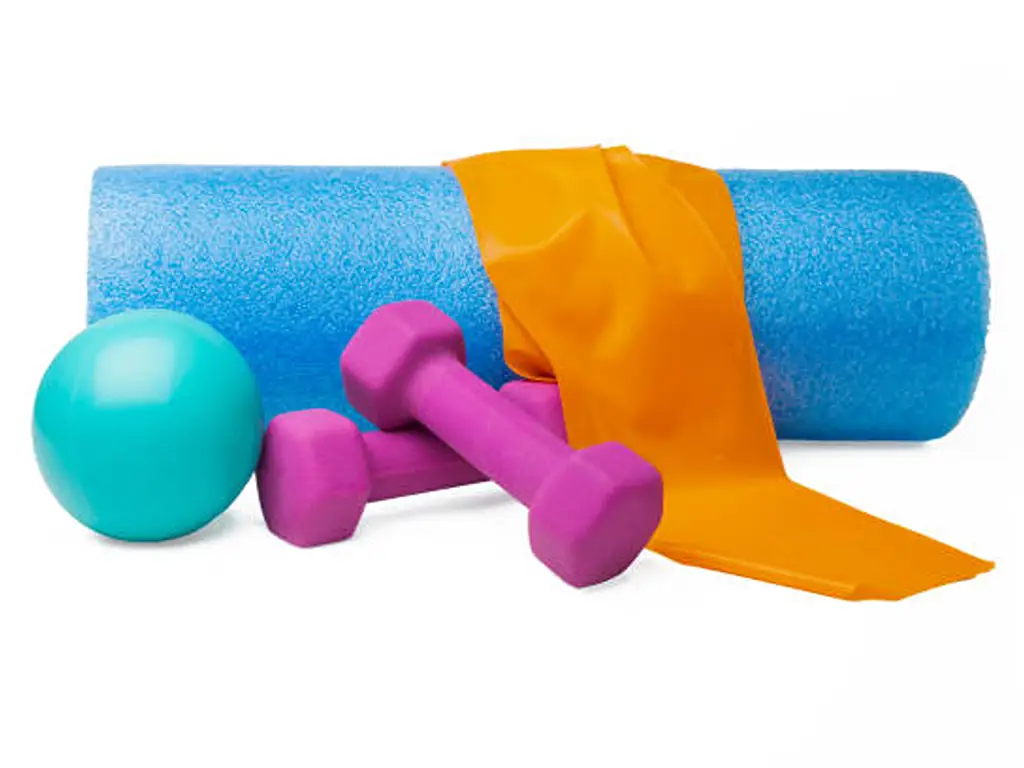
Home Fitness Gear That Fits UK Flats
The UK has some of the smallest average living spaces in Europe. The average new-build home is just 67.8 square metres (LABC, 2024). Your customer is not building a home gym in a spare garage. They want compact, foldable equipment that slides under a sofa.
Resistance bands (£12–25 retail), foldable yoga mats (£15–30), compact ab rollers (£10–20), and adjustable dumbbells (£25–60) all fit the brief. These products are light, rarely returned, and available from multiple suppliers. That means you can find UK-warehoused stock and offer 2–3 day delivery rather than the 12-day AliExpress wait.
Posture Correctors & Desk Worker Wellness
With roughly 28% of UK workers still hybrid or fully remote (ONS, 2025), millions of people spend eight-plus hours at a desk each day. Posture correctors (£12–35 retail), memory foam lumbar cushions (£15–40), and monitor risers (£20–45) address a physical pain point that desk workers actively search for solutions to.
One important compliance note: avoid medical claims. “Improves posture” is fine; “treats scoliosis” puts you in MHRA territory. Stick to comfort and support language, and you stay safely in the general goods category.
Sleep & Recovery Aids
The sleep economy is growing fast in the UK. Weighted blankets (£30–60), 3D contoured sleep masks (£10–20), and acupressure massage pillows (£15–30) all tap into people’s willingness to pay for better rest. Weighted blankets should follow the 7–12% of body weight guideline, but for dropshipping, focus on the lighter end (4–6 kg) to keep shipping manageable. Most of these products are compact enough for standard parcel delivery and carry profit margins of 50–70%.
Smart Home, Kitchen & Home Organisation
UK consumers invest heavily in their homes. Small upgrades that deliver an outsized sense of improvement are dropshipping gold. The home décor market is projected to reach $1.1 billion by 2032, and 61% of UK households now own an air fryer (Leatherhead Food Research, 2025). That gives the kitchen accessories market a massive, built-in customer base.
Smart Lighting & Ambient Gadgets
LED strip lights (£25–38 retail, £8–12 cost), galaxy star projectors (£20–35 retail), and smart plugs (£12–20 retail) are the most TikTok-friendly products in this guide. They look striking in video, weigh very little, and appeal directly to the UK’s large population of renters. Those renters cannot paint or renovate, so they use lighting as their primary interior design tool.
One practical note on smart plugs: confirm the plug conforms to BS 1363, the UK three-pin standard. Selling non-compliant electrical goods is both illegal and a fast track to chargebacks.
Kitchen Gadgets & Air Fryer Accessories
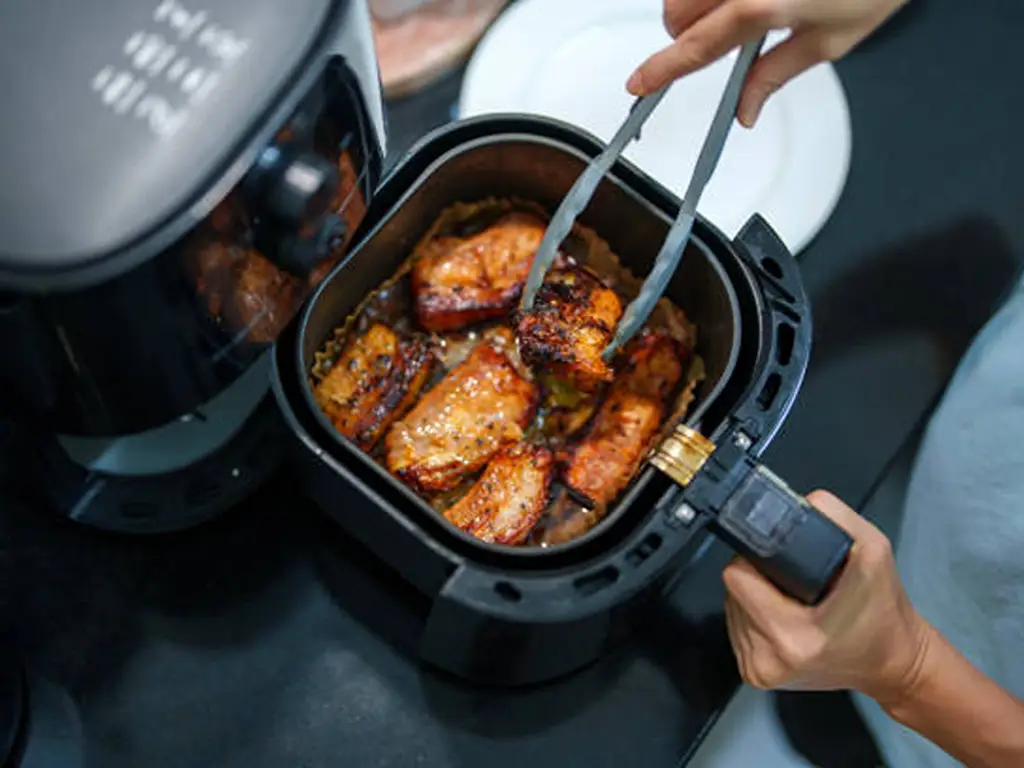
Nearly two-thirds of UK homes own an air fryer, so the accessory ecosystem is a repeat-purchase opportunity. Silicone air fryer liners (£8–15 retail, £2–4 cost) wear out in 3–6 months and get reordered. Oil spray bottles (£10–28 retail), collapsible over-the-sink drying racks (£15–25), and stackable fridge organisers (£12–20) all solve small but persistent kitchen frustrations.
Food-contact products need UKCA or CE marking. Most reputable suppliers already handle this, but verify before listing. A single food-safety complaint can take down an entire product listing on Amazon or eBay UK.
Home Organisation & Space-Saving Solutions
British homes are small, and storage is a constant battle. Collapsible storage bins (£10–20), over-door hook racks (£8–15), and tiered shelf organisers (£12–25) are unglamorous but consistent sellers. They are rarely returned, need zero explanation in ads, and work across every demographic. For dropshippers, these products are also extremely logistics-friendly: lightweight, unbreakable, and compact to store.
Pet Supplies & Pet Tech
British people love their pets. 60% of UK households own at least one, and pet spending is famously recession-resistant. People buy for their pets with their hearts, not their wallets. That emotional pull means price sensitivity is lower here than in almost any other consumer category.
| Product | UK Retail Price | UK Warehouse Availability | Why It Sells |
|---|---|---|---|
| Automatic Pet Water Fountain | £25–50 | Widely available | Recurring filter replacement revenue |
| Slow-Feeder Bowl | £8–18 | Widely available | Vet-recommended, strong word-of-mouth |
| Deshedding Grooming Brush | £10–20 | Widely available | Seasonal spring/autumn demand spikes |
| Pet Car Seat Cover | £15–35 | Good availability | UK staycation + dog-friendly travel trend |
| Self-Cleaning Litter Box | £80–200 | Limited (mostly China-direct) | High ticket, strong demand but logistics risk |
The pet tech market is expected to reach $23.54 billion globally by 2033. For dropshipping, start with the sub-£50 accessories. They are impulse-friendly, lighter to ship, and carry far lower return rates than complex electronics like self-cleaning litter boxes.
Phone Accessories & Everyday Tech Gadgets
Phone accessories are the backbone of dropshipping for a reason. The global market sits at $115.82 billion (Coherent Market Insights, 2025), the products weigh almost nothing, and demand never disappears. The challenge in 2026 is standing out. Plain phone cases are a race to the bottom that nobody wins.
The products moving now are functional upgrades: MagSafe-compatible 3-in-1 charging stations (£25–45 retail), phone cooling fans for mobile gamers (£12–22), Bluetooth item trackers (£15–30), and adjustable desktop phone stands (£10–20). Each has a clear use case that shows well in video. The MagSafe ecosystem creates lock-in too: once a customer buys one MagSafe accessory, they tend to buy more.
2026 UK Spotlight: Cooling Products & Outdoor Living
This is the category that almost every “best dropshipping products” list misses. It is also the biggest UK-specific opportunity of 2026.
Europe’s summer heatwaves have turned portable cooling from a niche into a necessity. UK consumers are the number-one buyers of cooling appliances in Europe, with portable air conditioners and ice makers seeing roughly tenfold year-on-year import growth in 2026 (21st Century Business Herald, July 2026). Google search volume for “portable air conditioner” in the UK hit an all-time high in June 2026.
Portable Cooling: The Summer Essential UK Didn’t Know It Needed
Portable air coolers (£35–65 retail), desktop cooling fans (£15–30), and compact ice makers (£60–120) are the standout products. These are larger items, typically 3–8 kg. Cross-border direct shipping from China is neither fast nor affordable at that weight. This is exactly where UK-based warehouse stock becomes the competitive edge: deliver a portable AC unit in 2–3 days during a heatwave, and you win the sale. If your competitor quotes 15 days, the customer has already bought from someone else.
Outdoor Living & Garden Accessories
The UK’s outdoor living culture keeps strengthening post-pandemic. Solar-powered garden string lights (£12–25), portable BBQ grills (£25–50), and foldable camping chairs (£20–40) all peak between April and July, right alongside the cooling product season. These are larger items with profit per unit in the £15–40 range. They demand UK warehouse fulfilment to keep delivery times competitive and return rates manageable.
How to Source These Products for UK Delivery
If you take one lesson from this guide, make it this: finding a trending product is only half the job. The other half — the one most guides skip entirely — is getting that product to a UK customer’s door within three days.
When a UK shopper clicks your ad, they expect Amazon-level delivery speed. 41.6% abandon their cart if delivery feels too slow (Sendcloud, 2025). Worse, 73% say they will not buy again from a retailer that fails on its delivery promise. Your TikTok ad, your product page copy, your carefully chosen product — all wasted if the package takes two weeks to arrive.
The practical question for every product you consider is straightforward: can I source this from a UK warehouse, or am I shipping from China?
For light, compact items — phone accessories, resistance bands, silicone kitchen tools — direct shipping from China can work. You just need to be upfront about delivery times and keep the price compelling. But for anything over 1 kg, anything seasonal where timing matters, and anything where returns are likely: UK warehouse stock is not a luxury. It is the difference between a viable business and a chargeback nightmare.
Large UK retailers like Amazon UK, Costco UK, and AO.com can serve as dropshipping sources for domestic stock, though margins run tighter than factory-direct. A dedicated sourcing platform with UK warehouse inventory gives you both speed and margin. SpeedBee, a full-service dropshipping platform, processes orders within 48 hours and delivers to UK customers in as little as 3 days via Hong Kong air freight, while offering 30,000+ products across 16 categories already screened for dropshipping viability.
When evaluating any sourcing option, verify three things: confirmed UK stock (not “usually in stock”), a published delivery timeframe (not “typically 5–10 days”), and a clear returns policy that does not leave you holding the cost of defective goods. If a supplier cannot give you firm answers on all three, the product is not ready to sell — no matter how good the margin looks on a spreadsheet.
Your First Product List: A UK Starter Plan
You have just read through six categories and dozens of product ideas. The right next move is not opening twenty supplier tabs. It is picking a small handful and testing them.
Start with five products across two or three categories. For a UK beginner in 2026, a balanced starter list could look like this: resistance bands (health — light, low return rate), silicone air fryer liners (kitchen — repeat purchase), an LED galaxy projector (smart home — video-friendly), a pet water fountain (pets — emotional purchase, upsell filter revenue), and a portable desk fan (seasonal — trending demand, time-sensitive). Every product on this list costs under £40 retail, weighs less than 2 kg, and has UK warehouse supply options available.
Three rules for your first test campaign:
- Confirm UK stock before you spend a penny on ads. If delivery takes more than three days, your metrics will lie to you. Low conversion will not mean the product is bad. It will mean your delivery promise killed the sale before the customer even considered the product.
- Test with £50 per day across 3–5 days per product. Do not spread £250 across ten products. Put meaningful budget behind a small number and let the data tell you what works.
- Kill fast, scale what survives. Any product with a cost per purchase above your target within the first 100 clicks gets paused. The one or two that work get the full budget.
The UK dropshipping market is projected to reach $78.7 billion by 2030. That is a lot of room to build something real — but the sellers who win are not the ones chasing every TikTok trend. They are the ones who pick thoughtfully, source reliably, and deliver fast. The filters in this guide and a sourcing partner that actually stocks UK warehouses give you that foundation.




 English
  Spanish
  French
  German
  Italian
  Polish