
A store owner ships a C$56 order to Ontario and does everything right. The parcel moves, then stalls at the border, because the commercial invoice their platform generated automatically declared the contents at $5,633 instead of $56.33. The customer receives a duty bill sized to the error, refuses to pay it, and the store owner eats the loss while the customer writes the review (Reddit r/shopify, 2024). Nothing about that failure depends on which country the supplier calls home. It depends on who controlled the paperwork, and whether anyone had agreed in writing to fix it.
That distinction is the one thing most roundups of Canadian dropshipping suppliers cannot give you, because the word supplier covers five businesses that barely resemble each other. A directory sells you vetted contacts. A software platform sells you automation running on shared inventory. A retailer with a dropship program sells you its own warehouse. A print-on-demand factory sells you per-order customization. A sourcing agent sells you procurement, quality control, and fulfillment as an ongoing service. Each one fails differently, and each one costs differently once Canadian customs gets involved.
The published lists make the confusion obvious. One counts 21 Canadian suppliers and fills it out with Walmart and Costco, another verifies 11, a third recommends 8, and the overlap between all three is thin (AutoDS, 2026; CanadiansInternet, 2026; Dropship.io, 2026). When the categories disagree that badly, the names are noise until you sort the layers first. This article does that sorting, then works through the two decisions that actually move your numbers: which sourcing lane your products travel into Canada, and which supplier structure you sign as the store grows.

What “Dropshipping Supplier” Actually Means in Canada
Start with the part that worries most beginners, because it settles fast. Canada has no special dropshipping license. You register a business in your province the same way any retailer would, and the federal BizPaL tool lists which permits and accounts apply to your industry and location (AutoDS, 2026). Legal access to the model is not the barrier. Knowing which kind of company you are talking to is.
Five kinds of companies answer when you go looking for a supplier, and they sell fundamentally different things:
| Company type | What you are actually buying | Where it fits |
|---|---|---|
| Wholesale directory (SaleHoo, Worldwide Brands) | A vetted contact list; you negotiate and arrange shipping yourself | Research phase, before you have a product |
| Automation platform (Spocket, AutoDS, Syncee) | Software that syncs a shared catalog to your store and automates orders | First store, testing many SKUs cheaply |
| Retailer dropship program (Aosom Canada, Costway Canada) | A real Canadian warehouse shipping its own catalog, without price-bearing invoices in the box | A store built around that retailer’s niche |
| Print-on-demand factory (Printful, Gelato) | Per-order custom production from local facilities | Design-led brands in apparel and decor |
| Sourcing and fulfillment agent (CJ’s sourcing desk, private China-based agents) | Procurement, inspection, stocking, and shipping as a continuous service | A validated product you intend to scale |
The layers are not a ranking from good to bad. A print-on-demand factory is the best supplier in the world if your product is a poster, and the worst possible answer if your product is a pet harness. What matters is matching the layer to your store’s stage, and the rest of this article gives you the two tools for that match: the customs math per lane, and four questions that expose how a supplier actually operates.
A Layered List: Who Actually Ships Your Orders
With the layers sorted, here are the names worth knowing, one decisive fact per layer.
| Layer | Names worth knowing | The fact that decides it |
|---|---|---|
| POD factories | Printful (fulfillment facility in Mississauga), Gelato (production partners around Toronto and Montreal) | Production is per-order and local, so delivery is domestic; your catalog is capped at what they can make |
| Retailer dropship programs | Aosom Canada (outdoor furniture, average order near C$300), Costway Canada, Escape Swimwear | Real Canadian stock and blind shipping, but the catalog belongs to the retailer, not to you |
| Directories and platforms | SaleHoo (8,000+ vetted suppliers), Spocket, Syncee (the marketplace route to GFURN and other Canadian brands), DropCommerce, AutoDS | You pay a subscription and sync shared inventory; vetting depth varies by platform (AutoDS, 2026) |
| Cross-border direct ship | CJ Dropshipping (catalog plus sourcing desk), AliExpress | Cheapest entry into a store; the 2025 seller consensus is that AliExpress shared pools cost more than they save (Reddit r/dropship, 2025) |
| Sourcing agents | CJ’s sourcing desk; private agents, usually China-based, quote-based with no public catalog | Capacity, inspection, and reliability are the product; vetting happens in conversation, which is what the four questions later in this article are for |
One filter applies before you copy any of these names into a spreadsheet. Several of the big lists mix in Walmart Canada, Best Buy Canada, and Costco because you can buy from them cheaply. Those are retailers, not fulfillment partners. They will not blind-ship your orders without their own pricing inside the box, and treating them as suppliers is how a store ends up reselling a membership fee.
“Verified” Canadian lists top out at daily stock updates.
The longest-running verified list (eleven Canadian suppliers, re-checked since 2021) reports that even its best signatories usually sync stock once a day, and one or two needed the model explained first (CanadiansInternet, 2026).
Buys: shorter distance
Never buys: real-time stock
The names answer who exists. They cannot answer which lane your product should travel or who eats the border bill. Those are money questions, and they come next.
Three Sourcing Lanes and the Real Cost of Each
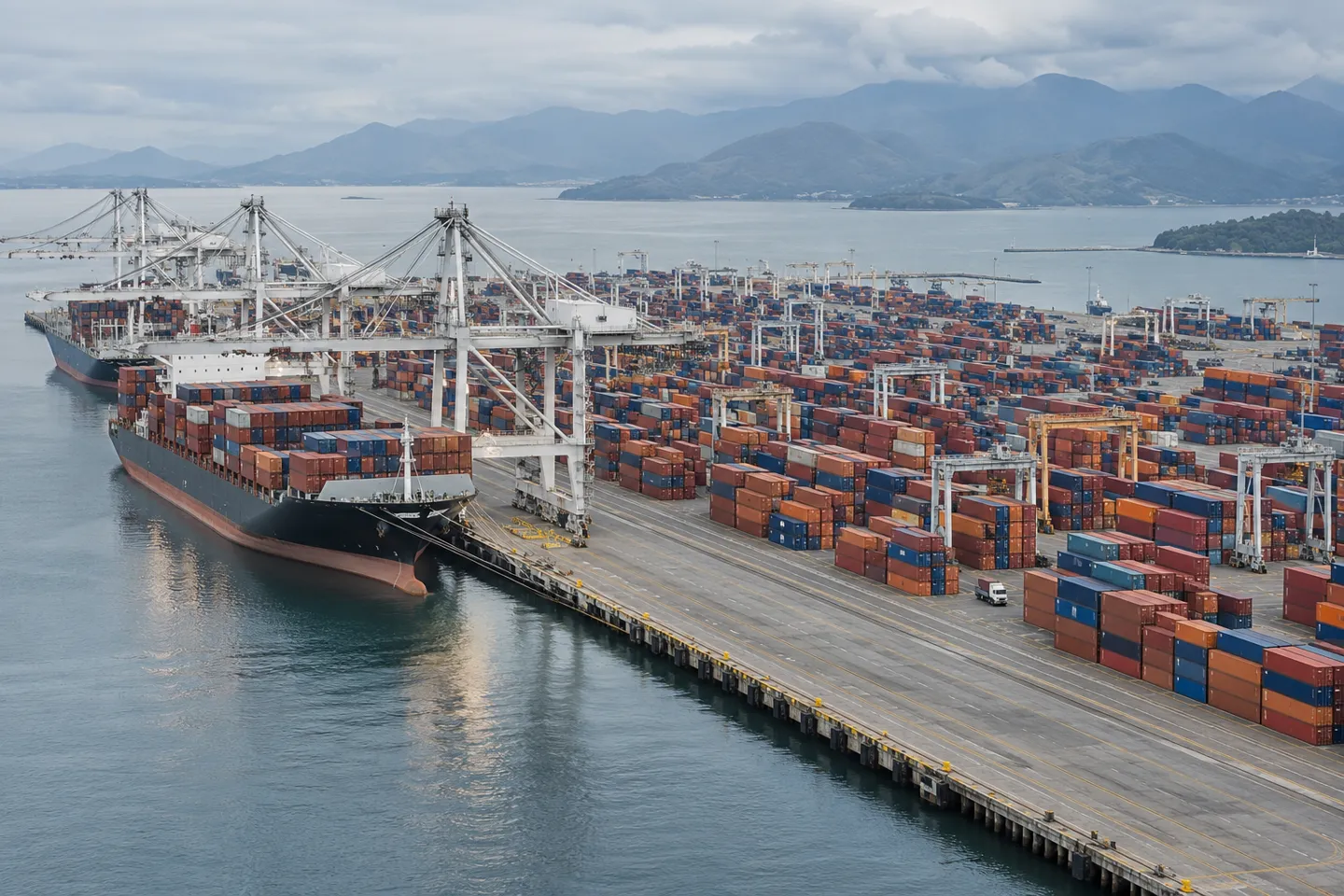
Every supplier in the table above moves your parcels through one of three lanes into a Canadian customer’s hands. The lane decides more about your margin than the supplier’s logo does, because the lane sets the delivery range, the border cost, and the paperwork risk all at once.
Lane 1: Domestic Canadian Stock
Goods already inside Canada do not cross a border, so there is no duty, no brokerage fee, and no customs surprise waiting at the door. Delivery runs on Canada Post’s domestic standards, which put many urban parcels between 1 and 10 business days, with rural and northern routes slower (AutoDS, 2026). The catch sits further up the chain. Someone imported that stock, and their import cost, warehouse overhead, and inventory discipline are all priced into your wholesale. This is also the lane where the daily-updates problem bites hardest: the stock is physically real, but if it is not visible in real time, you are still selling things that may already be gone.
Lane 2: Cross-Border From the United States
Courier shipments from the US or Mexico ride a staged threshold under CUSMA: duty and tax free up to C$40, duty free but taxed between C$40 and C$150, and full duties and taxes above C$150 (CBSA, 2025). The lane got wider in one way and narrower in another during 2026: Canada applied additional surtaxes to certain US-origin goods, so routing through a US warehouse is no longer a guarantee of clean treatment at the border (AutoDS, 2026). Margin math for this lane now needs a per-product tariff check, not a flat rule of thumb.
Lane 3: Direct From China
Shipments from China, or from any country other than the US and Mexico, carry a combined duty-and-tax exemption of just C$20 on postal and courier imports (Canada Gazette, 2020). That threshold stayed at C$20 for every other origin while the North American lanes rose around it. A C$21 product has already left the shelter, and the parcel attracts GST or HST on top of whatever duty its tariff classification carries. Transit spans economy lines measured in weeks and express corridors that compete with domestic delivery. That spread is exactly why you ask for a lane-specific range rather than accepting “15 to 30 days” as a fact of nature.
Whoever owes the border also shapes your reviews. Under DAP terms, the customer pays on delivery and discovers the amount when the courier demands it. The consumer arithmetic can be ugly: one importer’s breakdown on a typical parcel showed duties near 8 percent, then GST, then provincial sales tax stacked on the same base (Reddit r/uscanadaborder, 2023). Under DDP terms, the seller collects duties at checkout, which is what customers prefer and what the next warning is about: a buyer paid duties at checkout and was still chased for C$175 more when the parcel arrived, because collection at checkout and clearance at the border are two different systems that fail separately (Reddit r/PersonalFinanceCanada, 2021). DDP is only real when the supplier’s invoice preparation and brokerage are part of the written service, not a button on the checkout page.
A DDP promise is a process, not a fee. Before signing any supplier, confirm in writing: who prepares the commercial invoice, what declared value it carries, who clears the parcel at the border, and who pays if a charge appears anyway. The $5,633 invoice error that opened this article was one field, filled in automatically.
The tax layer sits under all three lanes. The federal GST is 5 percent, harmonized into a single HST in participating provinces (13 percent in Ontario is the common example), and registration stops being optional once taxable sales pass C$30,000 in a single quarter or across four consecutive ones (CRA, 2026). Non-resident sellers carry their own registration path once Canadian revenue crosses the same line (CRA, 2026). A supplier that runs DDP properly is collecting and remitting these amounts correctly on your behalf. One that mishandles invoices puts the error in your customer’s mailbox, sized to whatever the wrong field said.
| Lane | Delivery reality | Border cost on a C$50 order | Catalog breadth | The hidden cost |
|---|---|---|---|---|
| Domestic Canadian stock | 1–10 business days urban, slower to remote regions | None; no border crossing | Whatever that supplier stocks | Stock visibility: daily updates at best |
| US cross-border courier | Days, plus customs handling | Duty and tax free under C$40; taxed C$40–150; surtax risk on US-origin goods | Medium, US catalogs | Per-product tariff checks in 2026 |
| Direct from China | Economy lines in weeks; express lanes compete with domestic | Duty and GST/HST due above C$20 | The widest, near unlimited | Invoice and clearance quality; lane-specific transit truth |
The lanes are the cost decision. The reliability decision is different, and it is where stores are actually won or lost.
Four Questions That Expose a Bad Supplier
Every failure story in this article traces back to one of four questions nobody asked before paying. The lists tell you who exists. These four questions tell you who stays. Send them as one message, before any money moves, and score the answers by one standard: specifics or adjectives. An operator who has been through this puts it bluntly: get your suppliers straight and know your costs for each and every one of them, then build the site (Reddit r/ecommerce, 2022).
The four questions, ready to send
Is the stock shared or dedicated?
A named counter, a sync rhythm, a sell-out warning.
What is the true door-to-door range to Canada?
Days per service tier, with clearance inside the range.
Who checks the goods, and what proof do you get?
Named stages, plus evidence you can replay.
When something breaks, who pays and how fast?
Three failure types, three named owners, one clock.
Grade every reply: numbers and names beat adjectives.
Question 1: Shared Pool or Dedicated Stock?
A shared pool sells the same unit to whoever orders first, and your paid order is the one that finds out. The sellers who publicly abandoned AliExpress in 2025 left over exactly this mechanism, not over price (Reddit r/dropship, 2025). The good answer names who counts your units, how often the count syncs to your store, and how early you hear before the last unit sells. The bad answer is “usually in stock.” If your store’s reviews are the collateral for the supplier’s inventory discipline, you deserve to know whose discipline it is.
Question 2: What Is the Real Delivery Range to Canada?
Accept ranges, not best cases, and demand a clearance line in the middle of them. A useful answer sounds like “express runs 5 to 8 business days door to door to Toronto including clearance; economy runs longer.” A useless answer is a map graphic. Suppliers that operate their own fulfillment tiers can answer in one message because they already run the lanes; suppliers reselling someone else’s courier account have to go ask, and the hesitation tells you what your customers will experience.
Question 3: Who Inspects Before Dispatch, and What Evidence Comes With It?
Inspection is a process you can name, or it is a hope. A real answer has stages: verify the product against your sample, check appearance and workmanship, test function including battery operation, then clean and pack for dispatch. The evidence question matters just as much: a photo or a short video of the actual packed order turns a dispute into a ten-second conversation. Defects caught at this stage cost the supplier a repack. The same defects caught by your customer cost you the review.

Question 4: Who Pays When Something Goes Wrong?
Three failure types cover essentially everything: lost in transit, damaged in transit, defective on arrival. For each one, you want a named answer to who reships or refunds, who carries the cost, and how fast it happens. Speed is a promise you can test; a 48-hour processing commitment can be timed on your very first order, while an unconditional guarantee with no clock on it cannot be tested at all. Get all three answers in the written agreement, because the gap between “we take care of it” and the same words in a contract is where the C$175 surprises live.
| Supplier type | Fits best | When it breaks | Confirm before signing |
|---|---|---|---|
| POD factory | Design-led stores in apparel and decor | Any physical product outside their print range | Production location and per-order landed cost |
| Retailer dropship program | Stores built on one retailer’s niche | The retailer’s catalog or program terms shift | Blind-ship confirmation and invoice-free packing |
| Automation platform | Testing many SKUs on a small budget | A validated product needs order-level reliability | Which SKUs ship from shared pools, and restock visibility |
| Sourcing agent | A proven product ready to scale | Low-volume stores that cannot use the capacity | All four questions, answered in writing |
One boundary keeps this honest: the four questions are a scale tool. A store testing five SKUs a week should stay on a cheap platform and skip the interrogation, because the monthly subscription is the cheapest form of failure available. Sending four vetting questions to a directory’s chat window is a category error for the same reason; a directory sells contacts, not fulfillment.
Ask all four in one message and watch what comes back. We built SpeedBee Dropshipping around answering them in writing: lost, damaged, or defective orders are reshipped or refunded at no cost, and a 48-hour order-processing promise sits on every order, one you can time from your very first sale (after-sales policy in writing). A supplier that clears all four with specifics has passed a test most catalogs and marketplaces cannot sit. A supplier that dodges one has told you exactly how its failure will look, only you will be the one writing the apology email.
Score SpeedBee against the same four questions: the answers above are its published standard, not its pitch.
Message SpeedBeeRestructuring Supply as Your Store Scales
Put the earlier sections into one ledger and a pattern emerges: the cheapest per-order supplier and the cheapest per-retained-customer supplier are rarely the same company. A stockout cancels a paid order. A duty surprise refunds it and keeps the bad feeling. A defect writes the one-star review that the next thousand ad impressions have to fight. For the supplier, each is a single-order annoyance. For a store with repeat customers, each is a lifetime-value event, priced against every future order that person would have made.
The restructure pays in stages, in this order. Keep test SKUs on a cheap platform, where failure costs a subscription fee. Move a validated product to dedicated stock with named inspection stages and written reship terms once it earns steady orders, because that is the point where one stockout or one quality escape costs more than months of management attention. When repeat purchases appear, add the layers no platform can run for you.
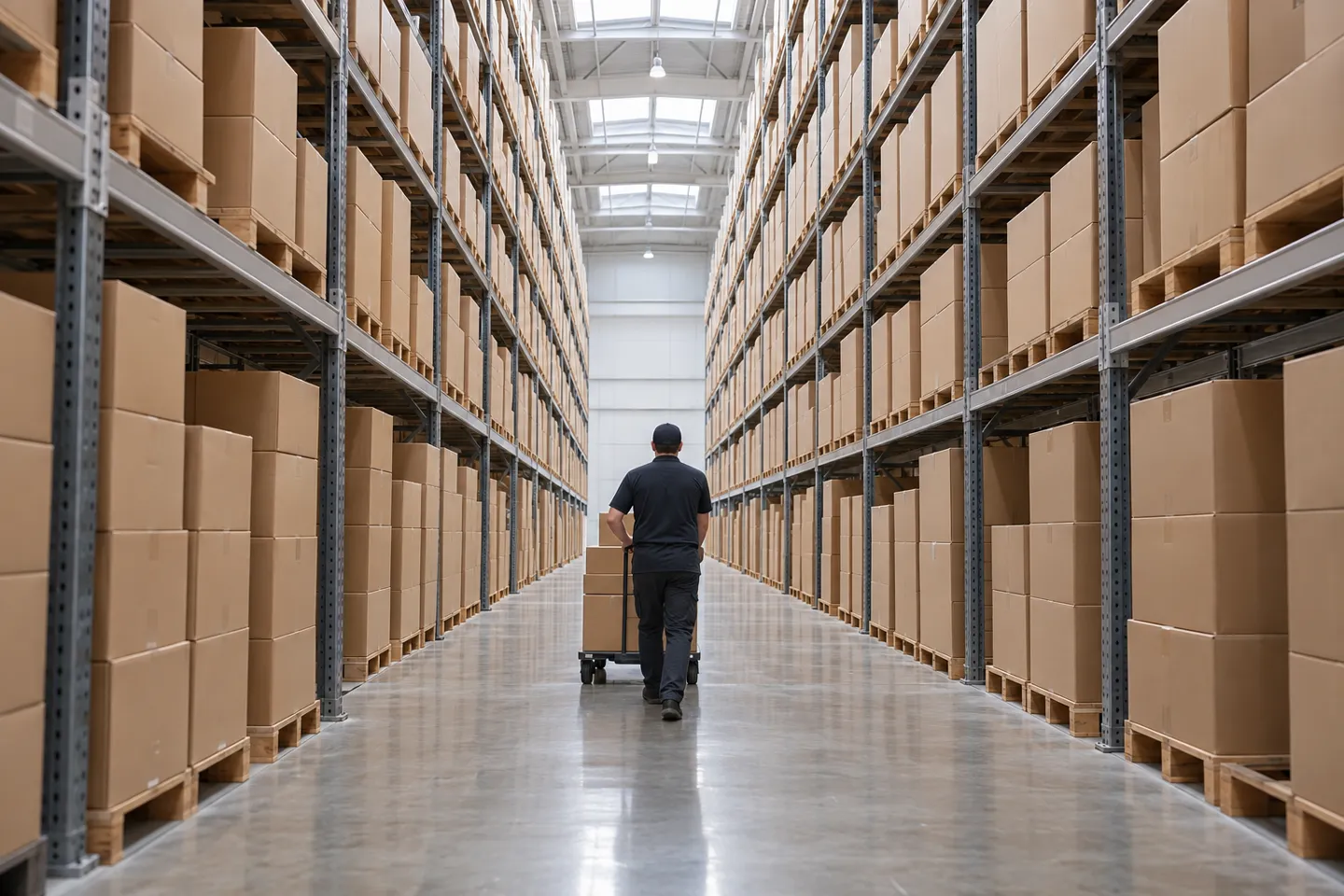
That top layer is where we spend most of our time with scaling sellers. Our branding line prints your logo on the outer carton, slots your inserts inside, and includes your first custom card free, so the unboxing your customer films is yours rather than your supplier’s. On the product side, we visit the factory and upgrade materials or processes without new molds, which is the low-risk way to fix a bestseller’s known weakness. We publish the results as (our published upgrading cases), including a program we headline at an 82% drop in customer complaints. No shared-pool platform can run any of this for you, because it never touches your product individually.
Sign by structure and responsibility. Never by geography.
Shortening the last mile is the one thing a local address buys. It does not stock the product, inspect it, or pay when a parcel goes wrong. Written answers to the four questions are what a real partner looks like, at any latitude.
One honest limit closes this. If your store is a mixed catalog at low volume, none of this restructuring applies yet. Stay on the platform, keep the subscription small, and spend the margin on ads; the four questions will still be waiting when a product earns its migration. The market itself is patient: Canada’s e-commerce revenue is projected to grow from about USD 45.7 billion in 2026 to USD 71 billion by 2031, a 9.27 percent annual pace (Mordor Intelligence, 2026). Restructure when a product has a repeat-purchase future, which in practice means the moment customers, not ads, start bringing the second order.
The whole test fits in one message: four questions, sent together, scored by whether the answers arrive in specifics. If you want to see what the written version looks like before you send yours, SpeedBee Dropshipping publishes its fulfillment terms, inspection stages, and after-sales policy up front (speedbeedropship.com).
A Supplier That Publishes What Others Promise
SpeedBee Dropshipping puts its inspection stages, reship-or-refund terms, and 48-hour processing promise in writing on every order; compare them against any supplier on your list.
References
- CanadiansInternet. “11 Canadian Dropshipping Wholesale Suppliers (Verified).” 2026. https://canadiansinternet.com/canadian-dropshipping-suppliers/
- Dropship.io. “8 Best Dropshipping Suppliers in Canada for 2026.” 2026. https://www.dropship.io/blog/best-dropshipping-suppliers-in-canada
- Canada Border Services Agency. “Increase to Low-Value Shipment Thresholds and Other CUSMA Modifications.” 2025. https://www.cbsa-asfc.gc.ca/services/cusma-aceum/lvs-efv-eng.html
- Canada Gazette, Part II. “Order Amending the Courier Imports Remission Order (SI/2020-34).” 2020. https://gazette.gc.ca/rp-pr/p2/2020/2020-04-29/html/si-tr34-eng.html
- Canada Revenue Agency. “When to Register for and Start Charging the GST/HST.” 2026. https://www.canada.ca/en/revenue-agency/services/tax/businesses/topics/gst-hst-businesses/when-register-charge.html
- Canada Revenue Agency. “Doing Business in Canada—GST/HST Information for Non-Residents (RC4027).” 2026. https://www.canada.ca/en/revenue-agency/services/forms-publications/publications/rc4027/doing-business-canada-gst-hst-information-non-residents.html
- Mordor Intelligence. “Canada E-Commerce Market Size & Share Analysis.” 2026. https://www.mordorintelligence.com/industry-reports/canada-ecommerce-market
- Reddit, r/shopify. “Warn Customers about Canadian Duty.” 2024. https://www.reddit.com/r/shopify/comments/1hahbzs/warn_customers_about_canadian_duty/
- Reddit, r/PersonalFinanceCanada. “I Paid Duties at Checkout, but Am Now on the Hook for $175.” 2021. https://www.reddit.com/r/PersonalFinanceCanada/comments/ka4dzs/i_paid_duties_at_checkout_but_am_now_on_the_hook/
- Reddit, r/uscanadaborder. “I Am So Sick of These Ridiculous Import Fees.” 2023. https://www.reddit.com/r/uscanadaborder/comments/18awht0/i_am_so_sick_of_these_ridiculous_import_fees/
- Reddit, r/dropship. “What Are the Best Dropshipping Suppliers in 2025?” 2025. https://www.reddit.com/r/dropship/comments/1jf951u/what_are_the_best_dropshipping_suppliers_in_2025/
- Reddit, r/ecommerce. “Dropshipping in Canada.” 2022. https://www.reddit.com/r/ecommerce/comments/rwfha3/dropshipping_in_canada/




 English
 Spanish
 French
 German
 Italian
 Polish