
The order was already paid. The tracking number was already live. Then the supplier’s catalog flipped the item to out of stock, and the refund landed on your store instead of theirs. Nothing in that sequence is unusual. It is the normal failure mode of the shared-inventory setup most store owners accept when they pick a name off a supplier list. The list told them who sells cheap. It never told them who actually holds the stock, who controls the clock, or who pays when a parcel goes missing.

What a “US Dropshipping Supplier” Actually Is
Search results for US dropshipping suppliers mix at least four different businesses under one word, and each one earns its money from a different slice of your order. A manufacturer or brand wholesaler makes the goods and ships them for you quietly. A marketplace platform aggregates hundreds or thousands of those sources into one catalog and one app. A paid directory sells you a spreadsheet of contacts. A retail-sourcing route buys from live store shelves, like Walmart or Costco listings fulfilled at retail price.
The differences are not cosmetic. A directory cannot ship anything, so a fee there buys research, not fulfillment. A marketplace can ship, but the stock it shows you is usually shared with every other seller on the platform. A manufacturer controls its own production, which is why it is the only identity that can promise batch consistency. Before comparing any two “suppliers”, put them in the right row of this table first.
The Four Businesses Hiding Behind “Dropshipping Supplier”
| Identity | What it actually gives you | Where it earns its margin | Example from the SERP |
|---|---|---|---|
| Manufacturer / brand wholesaler | Production and quiet blind shipping | Product cost | Private wholesale catalogs |
| Marketplace platform | One catalog and app across many sources | Subscription plus per-order fees | TopDawg (3,000+ verified American suppliers, 500,000+ products (TopDawg, 2026)), Doba (claims 90% of catalog stocked in US warehouses (Doba, 2026)) |
| Paid directory | Contact lists and research, no fulfillment | Membership fees, sometimes hundreds of dollars | InventorySource and similar directories |
| Retail sourcing | Fulfillment at retail price from live store shelves | The retail-to-your-price spread plus tool fees | Walmart, Costco, Home Depot listings via automation tools |
There is also a second trap inside the word “USA”. It can mean a supplier located in the United States, or a supplier located anywhere that ships to American customers. Those are different cost structures and different clocks. This article covers both readings, because the route you pick matters more than the geography.
One baseline before the routes: dropshipping itself is allowed on Shopify and the major marketplaces. What the platforms insist on is that you, the store owner, own the customer experience. Late parcel, wrong item, refund requests: those land on your account, not your supplier’s. Keep that in mind, because it decides how much the failure modes in the middle of this article actually cost you.
The Three Supply Routes That Serve the USA Market
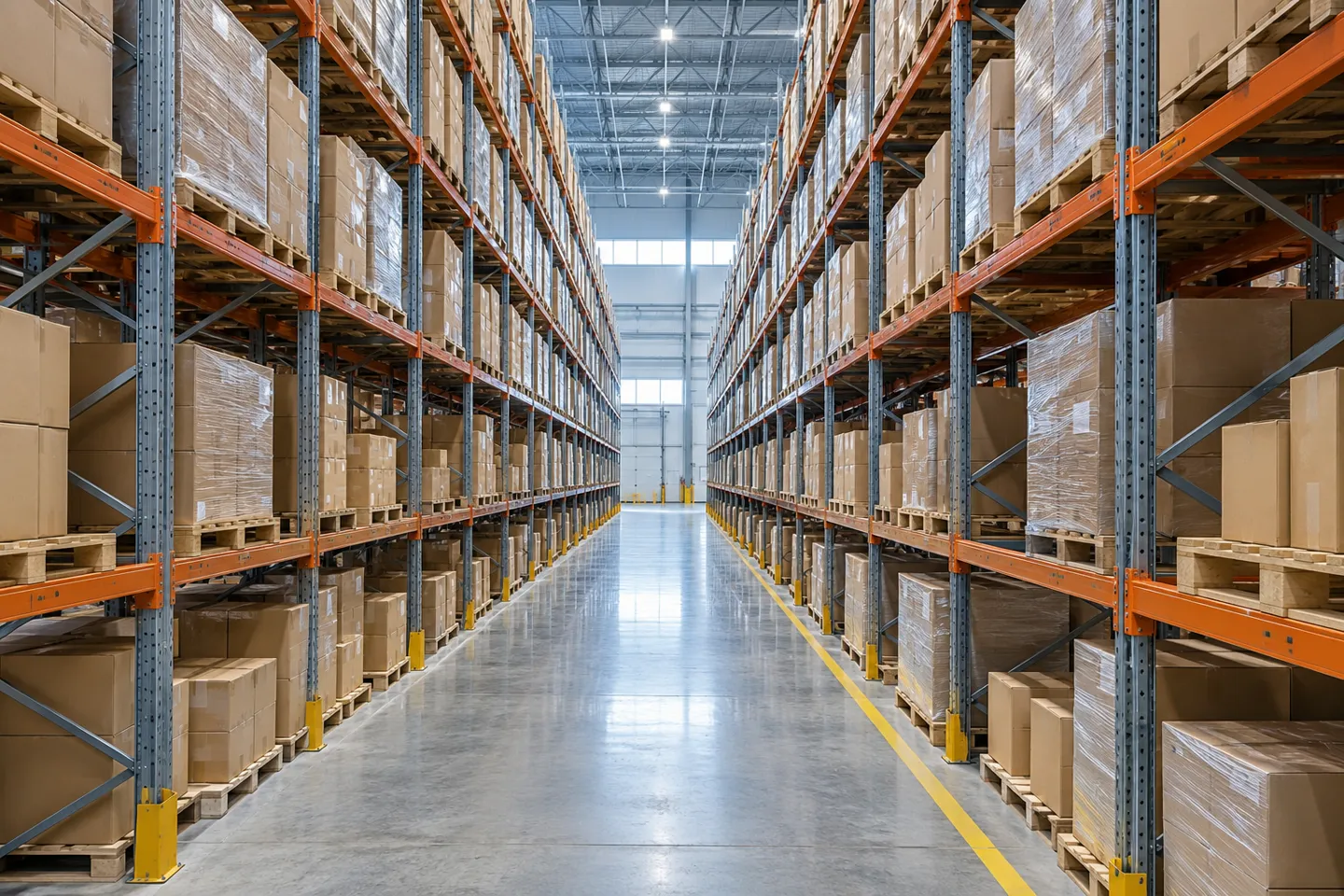
Strip the marketing and three working routes connect a store to American customers. They differ in who holds the inventory, how you pay, and what breaks first. Most store owners start on route one, feel its ceiling within a few months, and only then start looking at the other two.
Route 1: International Platforms with US Warehouses ⭐
This is the route the big lists are made of: Zendrop, Spocket, CJdropshipping, Doba, USAdrop. You subscribe, install an app, import products, and orders flow out automatically. Zendrop’s plans run from a free tier to $79 per month, with the $49 Pro plan as the working tier (Zendrop, 2026). Spocket’s paid plans start at $39.99 per month with a seven-day trial (SaleHoo, 2026). USAdrop advertises 18 global warehouses with 2 to 5 day express shipping (USAdrop, 2026). Setup is genuinely fast, and Shopify integration is native.
The hidden threshold is stock depth. On most of these platforms the catalog is a shared pool, and the “US warehouse” label can describe a destination hub rather than your own reserved shelf. Doba’s 90% US-stocked claim is about its catalog, not about inventory reserved for you. When forty stores sell the same gadget from the same pool, the pool runs dry for everyone at once. Nobody publishes pool depth, which is why this route feels perfect in week one and unpredictable in month four.
Route 2: True US-Based Suppliers and Retail Sourcing
Route two is what most people picture when they hear “American supplier”. It covers domestic distributors and marketplaces such as TopDawg, category specialists like print-on-demand apparel makers, and retail sourcing from store shelves. AutoDS’s own guide frames domestic retail suppliers as steadier on quality and returns, then immediately admits the tradeoff: margins run thinner and stock changes frequently (AutoDS, 2026). You are buying at retail and repricing on top, so the shelf price sets your floor.
This route suits stores whose customers pay for domestic speed and who can carry a thinner margin per order. It breaks when you need product cost to move, because you control none of the supply behind the shelf. Reddit sellers also warn that many “suppliers” on paid lists are not actual suppliers at all (r/dropship, 2024). Database access on some directories costs hundreds of dollars before you ship a single unit. Treat any list that charges for names as research, never as supply.
Route 3: Supply-Chain Agents on Dedicated Inventory
The third route comes from the other side of the Pacific. A sourcing agent in China buys or makes your product, warehouses it under your account, and ships it to US customers on a dedicated line with customs pre-cleared. Payment is per-quote and per-order rather than a monthly subscription. There is no public catalog to browse, which is exactly why list-based articles rarely mention it. Entry requires sample runs and a conversation about packaging, quality checks, and stock ownership.
The hidden threshold is communication overhead. You are managing a partner, not installing an app, so expect quote cycles and sample lead times before the first real order. In exchange, the inventory can be genuinely yours: reserved shelf space, batch consistency, and someone whose job is to catch defects before a customer does. This is the route branded stores graduate into, and it is the only one where “out of stock” is a planning conversation instead of a refund.
Put side by side, the three routes sort cleanly by store stage.
Three Routes at a Glance
| Route | How it runs | Cost structure | Integration | Fits best when |
|---|---|---|---|---|
| International platforms + US warehouses | Shared catalog pool, app fulfillment | Subscription $0-$79/mo plus per-order fees | Native Shopify apps | Testing products and first sales |
| True US-based / retail sourcing | Domestic distributors or live store shelves | Retail price spread plus tool fees | App or manual | Domestic-speed niches with margin room |
| Supply-chain agents | Sourcing plus dedicated warehouse plus dedicated line | Per-quote and per-order | App or API, setup by agreement | Proven products, brand building, batch consistency |
Where Shared-Pool Platforms Break
Route one fails in a specific, predictable way, and the failure has three parts: the clock, the stock, and the bill. If you have already taken orders, you have probably met all three.
The Delivery-Time Gap You Can Measure
Every platform quotes a shipping window. What reaches your customer is processing time plus transit time, and the two numbers have different owners. AutoDS pegs AliExpress deliveries at roughly 5 to 10 business days from US warehouses versus two-plus weeks from China (AutoDS, 2026). Sellers on r/dropship report Zendrop’s US deliveries averaging 8 to 12 days when stock leaves a China facility instead of a domestic one (r/dropship, 2025). Marketing pages quote the best case. Your reviews accumulate the average case.
What 3,161 store owners reported
64%
named shipping delays their biggest pain point
48%
pointed to supplier reliability
Slow delivery is not bad luck; it is the top reported failure of this supply model.
Source: AutoDS store-owner survey, 2025
The gap is measurable before it reaches a customer. Ask the supplier to split the quote into processing days and transit days. Then order one test unit to your own address and watch two events: the first carrier scan and the delivery scan. The first scan tells you how long the item actually sat before moving. The second gives you the real transit number for your route.
The Stockout That Happens After the Sale
Shared inventory has a structural flaw: the sale and the stock check happen in the wrong order. Your product page shows available, the customer pays, and only then does the platform check whether the pool still has a unit. With hundreds of sellers drawing on the same shelf, the answer can be no. One r/dropship seller describes the flaw from the inside: long lead times and constant product churn (r/dropship, 2024). The seller kept dropping items and reworking the catalog because the current supplier kept running dry.
A shared pool also hides its depth. You cannot ask a marketplace how many units sit behind a listing, because the honest answer is that the listing is a window into a pool everyone shares. Dedicated inventory inverts this: the units are allocated to your account, the count is visible, and a low-stock alert becomes a purchasing decision instead of a customer apology. Same word, “in stock”, but two completely different contracts behind it.
The Cost Stack and the Returns Bill
The advertised price of a platform plan is one layer of four. Above it sits the product price itself, which runs higher on curated platforms and much higher on retail sourcing. Underneath sit per-order processing fees and, on some plans, top-ups for faster handling. The Reddit cost complaint about name-brand platforms, that sourcing through them simply runs expensive (r/dropshipping, 2026), is usually this stack rather than the subscription alone. A plan that looks free at $0 can hand you a catalog you cannot profitably fulfill until you upgrade.
Returns stack a second bill. On most platform plans a return lands at your address, not the supplier’s warehouse. The refund leaves your account while the unit crosses an ocean or sits unusable in your garage, if it comes back at all. This is the clause to read before signing, because it prices your refund policy. Agent routes and dedicated warehouses can receive returns back into your own stock, which turns a total loss into inventory, but only if you negotiate it into the agreement.
None of this makes shared platforms a bad deal. For testing a product with fifty units of demand, eating a stockout is cheaper than renting warehouse space. The matrix below is the honest version of that tradeoff.
Route x Stage x Breaking Point
| Route | Fits this stage | Breaking point | Switch signal |
|---|---|---|---|
| Shared platforms + US warehouses | Product testing, first sales, long-tail SKUs | Stockouts after the sale, marketing-vs-real transit gap, fee stack | Stockouts or transit complaints appearing in real orders |
| True US-based / retail | Domestic-speed niches, steady catalogs | Thin margins, shelf stock changes, retail price floor | Margin compression as ad costs rise |
| Supply-chain agents + dedicated stock | Proven products, brand building | Quote cycles, sample lead times, communication overhead | One or more products with repeatable monthly sales |
How to Vet a Supplier Before You Plug It In
Whatever route a candidate claims, the same five checks apply. Run them in order, because the cheap ones come first. Run all five before any subscription or deposit, and you catch most of the failures described above while they are still free.
The pre-payment checklist
Pin down the warehouse: ask for a location-level answer, and ask whether the stock is shared pool or reserved for your account.
Split the clock: demand processing days and transit days as separate numbers, then send one test unit and log the first scan and the delivery scan.
Rehearse the cost stack: product price plus processing fee plus subscription plus return handling, calculated on your real monthly volume.
Read the after-sales terms: who pays for lost parcels, where returns are addressed, and whether invoices and packing slips name your store or the supplier.
Demand proof: a same-category case, a sample run, and a QC process someone can walk you through step by step.
Two of these deserve emphasis. The test unit is the only step that produces evidence instead of promises, and it costs one product price. The invoice question, whether packing slips and customs paperwork name your brand or the supplier’s, decides right now whether branded dropshipping is even possible on this route.
What Branded Dropshipping Actually Requires
Branding is where the route differences stop being cosmetic. A brand makes promises about consistency, and consistency is a supply-chain property before it is a design property. Four requirements decide whether a supplier can carry a brand at all.
The first is dedicated inventory. A brand’s units need to be yours: reserved space, known counts, one batch identical to the last. Shared pools cannot make that promise even in principle, because the shelf belongs to everyone. The second is blind fulfillment: packing slips, invoices, and customs forms that name your store, never the supplier, plus packaging that carries your identity. The third is inspection before dispatch, so a defective unit is caught at the packing bench instead of in a one-star review. The fourth is the ability to upgrade: better materials or finishes as volume grows, without changing factories or retooling from zero.
Most stores fail the fourth requirement silently, by discovering that their supplier treats product quality as fixed. Ask each candidate to describe their last material upgrade and what triggered it. The answer, or the silence, tells you whether they see your product or just their catalog.
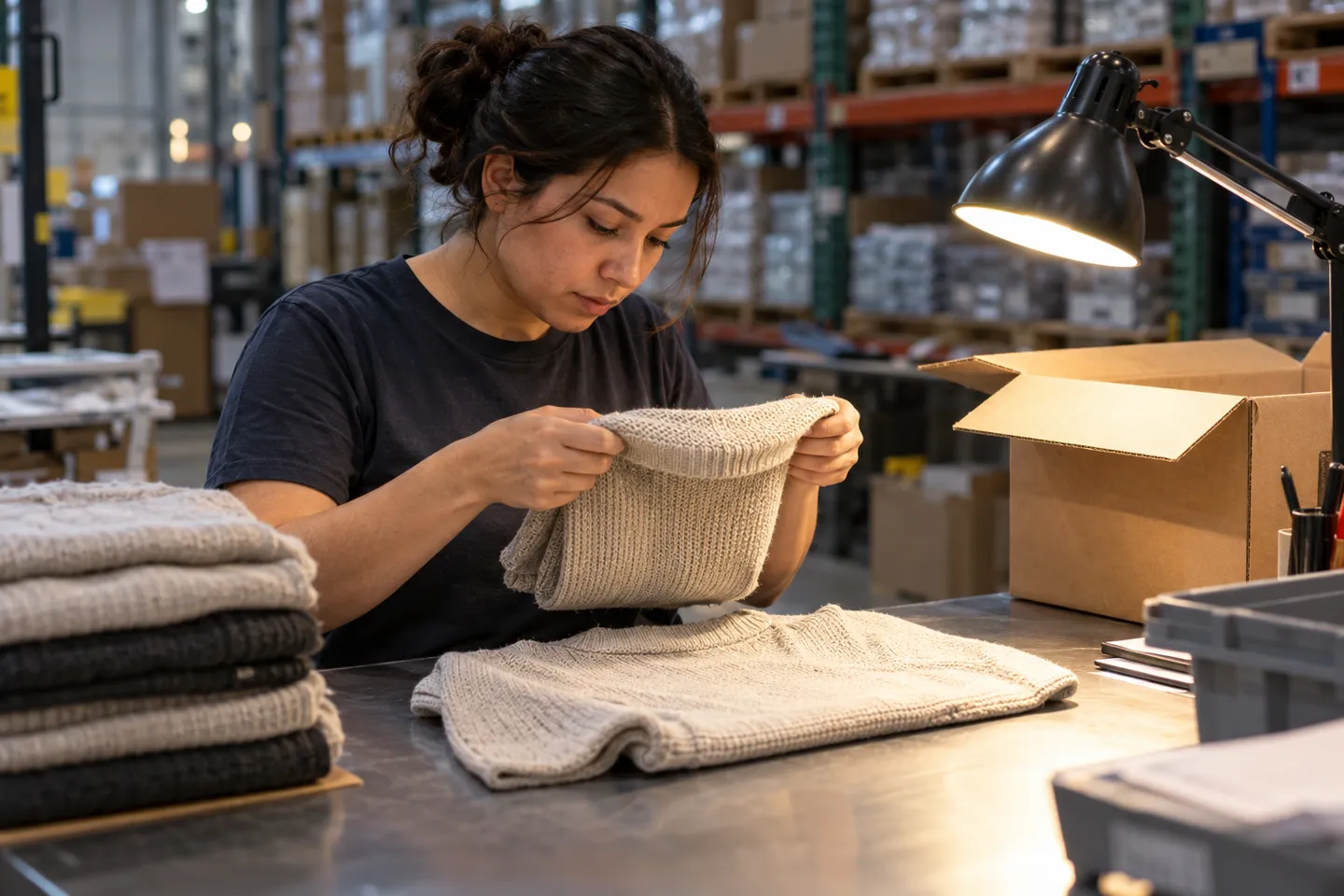
We should introduce ourselves properly here, because this is the checklist our own model was built on. SpeedBee Dropship runs custom packaging and private-label branding from its Guangzhou warehouses. Your logo goes on the outer box. Branded tissue, boxes, and bags go inside, with a personalized card (the first one free) and your hangtag swapped at the packing bench. The full setup is covered on our custom packaging and private-label branding page. Before any of it ships, every unit passes a four-stage check. We verify each unit against your sample for design, color, and size. We inspect for stains and scratches, function-test battery units, then clean and pack to your written spec. Those are the four requirements above, priced into a quote instead of promised in an ad.
Have SpeedBee quote your branded line
Send your product, target price, and branding requirements — packaging options, QC stages, and per-unit pricing come back in one quote.
The Inventory Decision That Decides Your Margin
Step back from supplier names and the real decision is structural: which products sit in a shared pool, and which ones sit in stock that belongs to you. Testing and long-tail items belong in shared pools, where a dry spell costs you a fifty-unit experiment. A proven product with steady monthly sales belongs in dedicated stock, where the same dry spell would cost you reviews, refunds, and rank. The survey number in the middle of this article is the aggregate version of that trade. Two out of three store owners reporting delivery pain is what an industry running on shared pools looks like from above.
Two signals tell you when a specific product has earned the switch. Signal one is a stockout arriving after a paid order, the mechanism described above, even once. Signal two is a shipping-time complaint appearing in a real review, because that complaint is now public and permanent. Either signal is enough to move that product to dedicated inventory, quote-based fulfillment, and a warehouse that answers to your account. Neither signal is a calendar date, which is why “migrate at month six” advice fails.
The margin math closes the case. The fee stack from the earlier section is recurring, and it prices every future order of that product. Dedicated inventory replaces part of that stack with storage and per-quote fulfillment. It also brings returns back into stock you own, instead of into a loss column. On paper the two lines trade a variable cost for a semi-fixed one, and the crossover point is exactly the moment a product proves repeatable.
There is no shame in staying on the shared route, and for an unproven product it remains the correct answer. What matters is reading the two signals honestly and running the five-step vetting checklist on whoever takes the product next. That is the whole discipline: pick the route by stage, verify before paying, and let the signals, not a supplier list, decide what moves into stock you own.
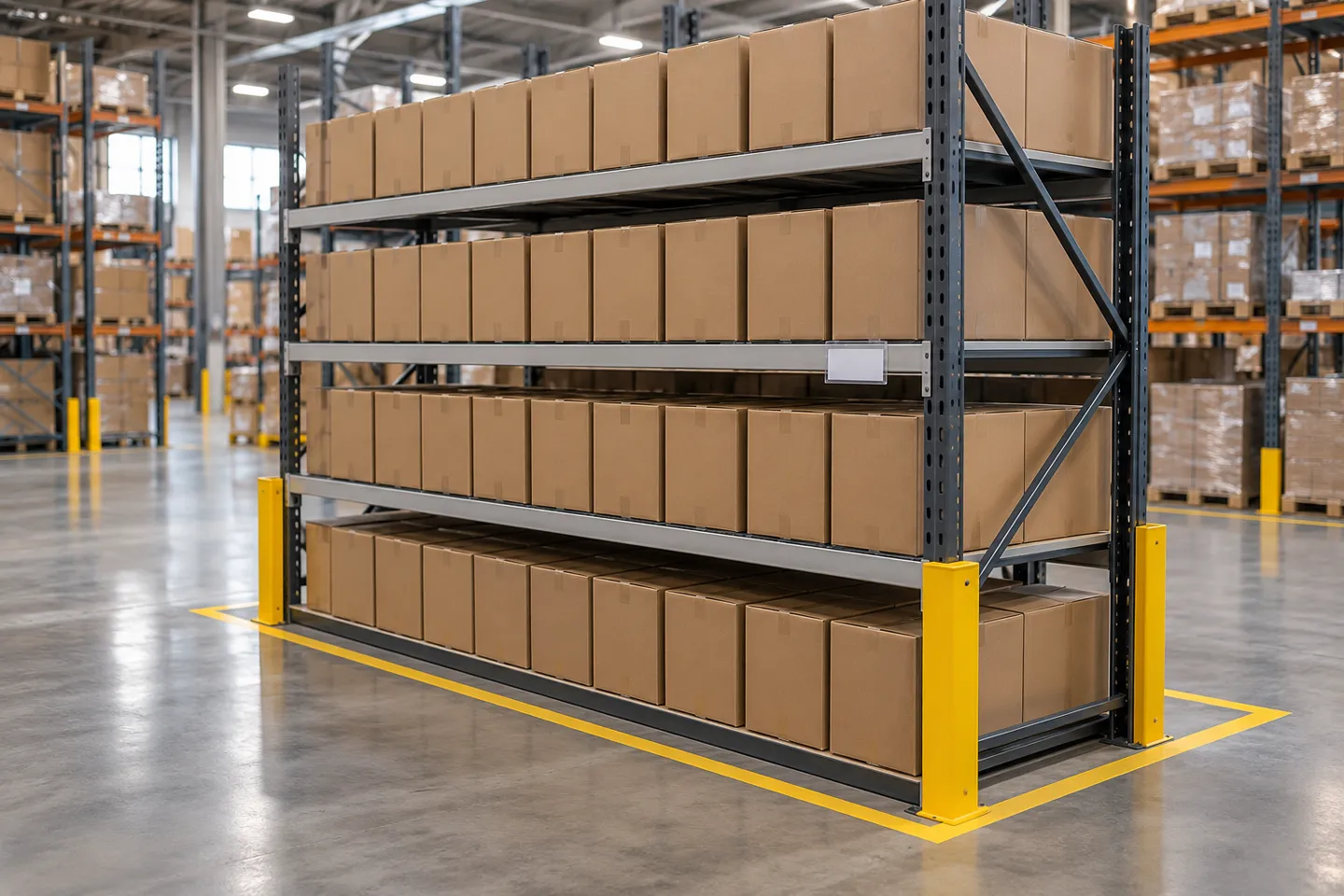
We built our fulfillment model around exactly that switch. Dedicated per-client warehousing means one client gets one warehouse, never a shared pool. Orders go out through 48-hour processing and auto-fulfillment through our Shopify app. When a parcel goes missing or arrives damaged, we reship or refund for free, and confirmed orders never get repriced mid-season. If you want to see the dedicated side in practice, our dedicated per-client warehousing page walks through the storage, bundling, and QC flow.
If you are running that five-step checklist on candidates for your US line, SpeedBee Dropship is happy to be one of them: start at speedbeedropship.com.
Put your best sellers on dedicated stock
Bring your product list and monthly order volume — SpeedBee answers with one-client-one-warehouse storage, 48-hour processing, and reship-or-refund terms in writing.
Get your dedicated-stock quoteReferences
- Reddit, r/dropship. “What Are the Fastest Suppliers for the USA? Any Suggestions?” 2025. https://www.reddit.com/r/dropship/comments/1oysij8/what_are_the_fastest_suppliers_for_usa_any/
- Reddit, r/dropship. “Best US-Based Dropship Suppliers?” 2024. https://www.reddit.com/r/dropship/comments/19ci6q9/best_us_based_dropship_suppliers/
- Reddit, r/dropshipping. “Which Suppliers Are the Best?” 2026. https://www.reddit.com/r/dropshipping/comments/1swx8ru/which_suppliers_are_the_best/




 English
 Spanish
 French
 German
 Italian
 Polish